


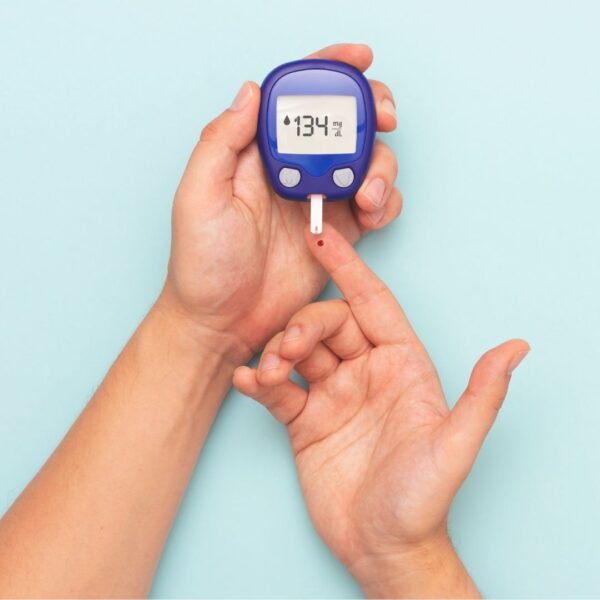
Studies have found that insulin, a hormone that regulates glucose metabolism, is also a crucial modulator of bone metabolism. These findings show how and why healthy insulin and blood glucose levels are essential for bone health.
In this article, we’ll review the research on the relationship between insulin and bone health, and analyze studies showing that exercise can lower insulin resistance and protect your bones.
Insulin Resistance, Glucose Spikes, And Bone Health
A scoping review published in 2025 found that peer-reviewed studies on glucose spikes agreed that repeated sudden increases in blood glucose levels can cause endothelial dysfunction, oxidative stress, and inflammation, even in people without diabetes. 1
Inflammation and oxidative stress impair the bone remodeling process and lead to overproduction of bone-resorbing osteoclasts, contributing to bone loss.
The scoping review concluded that the significant negative health impacts of glucose spikes in people without diabetes stemmed from long-term, frequent spikes, and not isolated acute spikes. 1
These findings indicate that our daily habits matter. A diet that regularly includes sugary foods that spike glucose levels can have negative long-term consequences. However, isolated and infrequent glucose spikes were not found to be harmful in people without diabetes. Enjoying a slice of cake at a family member’s birthday party won’t, on its own, cause damage– but regularly consuming sugary desserts or beverages can.
Synopsis
Long-term frequent spikes in blood glucose level– such as those caused by regular consumption of sugary foods and beverages– can lead to endothelial dysfunction, oxidative stress, and inflammation, even in people without diabetes. Inflammation and oxidative stress impede the bone remodeling process and lead to overproduction of bone-resorbing osteoclasts, causing bone loss.
Glucose Spikes And Insulin Resistance
Insulin is a hormone produced by the pancreas that allows cells to absorb glucose from the bloodstream. Glucose spikes require the production of extra insulin to allow the body to metabolize that extra glucose.
If this occurs regularly, the body can develop insulin resistance, in which cells require increasing amounts of insulin to absorb glucose.
Stronger Bones. Without Drugs. Guaranteed.

The natural and evidence-based program that helps reverse osteoporosis and osteopenia in 12, 6, even 3 months… guaranteed.

Over time , the body can lose its ability to produce adequate insulin, preventing glucose from efficiently leaving the bloodstream and contributing to the development of Type 2 Diabetes. That’s why many people with Type 2 Diabetes require regular injections of insulin to compensate for the body’s inability to produce its own.
The inability to produce adequate insulin also causes problems beyond glucose metabolism, including negative effects on bone health Insulin stimulates osteoblast proliferation and differentiation, supporting the creation of new bone mass. It also plays a role in healthy bone resorption, indicating a complex set of influences across the bone remodeling process. 2
This intricate relationship can become disrupted when the body overproduces insulin to compensate for frequent blood glucose spikes. If the body loses the ability to produce adequate insulin, a crucial component of bone cell regulation and communication is lost.2
Synopsis
Frequent glucose spikes can contribute to insulin resistance, which may eventually impair the body’s ability to produce adequate insulin and lead to Type 2 diabetes. Insulin plays an important and complex role in bone remodeling, so spikes or deficits in insulin production can negatively impact bone health.
Exercise Can Lower Insulin Resistance
A review published in the journal Nature Reviews Endocrinology explains how exercise lowers insulin resistance.
Skeletal muscle extracts glucose from the blood to provide energy during exercise. This exercise-stimulated glucose uptake occurs even in insulin-resistant muscles. The review found that exercise can increase the uptake of glucose by up to 50 times. This makes exercise a powerful intervention for people with metabolic disorders that affect insulin regulation , such as diabetes.3
Another study comparing the effects of caloric restriction and exercise on adiposity and insulin resistance found that, although both interventions led to weight loss, they produced different physiological outcomes . Exercise-induced weight loss more effectively reduced adiposity and systemic insulin resistance.4
By helping prevent insulin resistance, the interaction between exercise and blood glucose regulation is another way that exercise protects bones.
Synopsis
Studies have demonstrated that during exercise, skeletal muscle pulls glucose directly from the bloodstream, helping prevent the development of insulin resistance. This is yet another way that exercise works to protect bone health.
Supplements To Help Lower Insulin
Alongside regular exercise, certain nutrients, vitamins, and minerals support healthy blood glucose levels.
Whole food sources of healthy fats and protein help regulate blood sugar levels to prevent glucose and insulin spikes. Vitamins K and D also play important roles in blood glucose regulation. As Savers know, both of those vitamins are also crucial for mineralizing and maintaining bone mass.
Magnesium also plays a crucial role in glucose metabolism. The mineral allows the body to effectively respond to insulin by assisting in cellular glucose uptake. Magnesium is also vital for bone health. It’s a major component of bone’s mineral matrix, helps regulate calcium balance, and converts Vitamin D into its active form, making it essential for preventing bone loss.
Synopsis
You can support healthy blood glucose levels by including whole food sources of healthy fats, protein, Vitamins K and D, and magnesium in your diet.
What This Means To You
Blood glucose levels are influenced by several lifestyle and dietary factors. Maintaining good glycemic control via regular exercise and a healthy diet is essential. Doing so helps maintain your body’s ability to regulate insulin and supports healthy bone remodeling.
The body is complex, but the Osteoporosis Reversal Program makes it simple to understand. The ORP explains how factors such as insulin production impact your bone health, and what you can do to turn that knowledge into practical strategies for building your bones and avoiding fractures.
Keep active, eat a healthy diet, and keep learning about how your everyday choices can support stronger bones.
Stronger Bones. Without Drugs. Guaranteed.
The natural and evidence-based program that helps reverse osteoporosis and osteopenia in 12, 6, even 3 months… guaranteed.

References
1 https://pmc.ncbi.nlm.nih.gov/articles/PMC12569367/
2 https://pmc.ncbi.nlm.nih.gov/articles/PMC12190221/





Many thanks! A very important topic IMO.
My pleasure, Sharon!
Thank you Vivian! I’m very much worried about my blood sugara because many relatives of mine have diabetes.
You’re welcome, Lenny!