


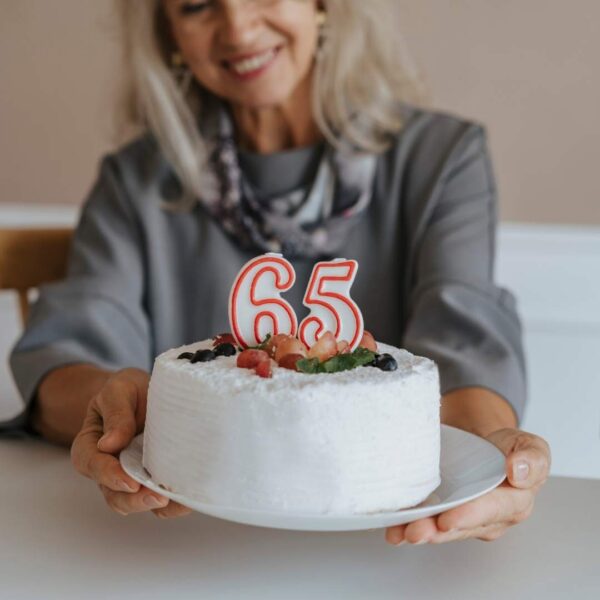
Researchers at Yale University have found that older adults with positive beliefs about aging are significantly more likely to maintain or improve their physical and cognitive function over time than those with a negative outlook.
Positive thinking alone doesn’t strengthen your bones, but it does influence your choices and behaviors. This study reveals how the behavioral impacts of optimism about aging support bone remodeling, improve bone strength, and reduce fracture risk.
We’ll analyze the details of this study so you can put its findings to use. You’ll learn about the benefits of a positive outlook on aging, the dangers of taking a pessimistic view, and which behaviors helped participants maintain a more youthful lifestyle as they aged.
Aging Is Not Synonymous With Decline
A study published in the journal Geriatrics in March of 2026 has challenged the widely held notion that physical and cognitive decline are inevitable and universal facets of aging.
The researchers attributed this pervasive idea to the Medical Establishment’s use of aging health measures that don’t allow for improvement and its treatment of older individuals who do improve as exceptions.
To challenge conventional wisdom, the researchers analyzed data from 4,638 individuals aged 65 and older who participated in a nationally representative longitudinal study. That study followed participants for up to 12 years and assessed their physical health using walking speed and their cognitive health using a cognitive function test. While not every participant received 12 full years of follow-up, more than 75% remained in the study for 10 years or more.1
When the researchers analyzed this data, they found that 45.15% showed improvement in cognition and/or walking speed from baseline to their last measurement. Extrapolated to the entire US population, these figures suggest that more than 26 million older persons experience improvement in functioning as they age.1
When you include participants who didn’t improve, but maintained their baseline measurements as they aged, the results expand to include 51.06% for cognition and 37.56% for walking speed.1
These findings show that decline is not an inevitable part of aging. On the contrary, they demonstrate that a sizable portion of older individuals improve with age.
Synopsis
Ready to Put This Into Action?
Reading about bone health is a great first step, but building stronger bones requires the right type of exercise.
SaveTrainer gives you safe, expert-led workouts designed specifically for osteoporosis and osteopenia, so you can improve strength, balance, and confidence while following a structured plan.

Researchers analyzed data from 4,638 older participants tracking their physical and cognitive function over as many as 12 years. They found that 45.15% showed improvement in cognition and/or walking speed from baseline to their last measurement, proving that decline isn’t an inevitable part of aging.
Positivity About Aging Linked To Physical And Cognitive Improvement
The researchers added another layer to their study by including participants’ answers to a questionnaire designed to measure their attitudes about aging. When they compared participants’ questionnaire results to their physical and cognitive assessments, they found that individuals who held more positive beliefs about getting older were significantly more likely to improve.1
Even after the researchers controlled for potential confounding factors such as age, sex, race, education, depression, sleep problems, heart disease, diabetes, social isolation, and a genetic marker linked to Alzheimer’s risk, the association remained. Optimism about aging predicted improvement, even among participants without deficiencies at baseline. 1
The lead researchers have published previous studies linking negative beliefs about aging to biological markers associated with Alzheimer’s disease and reduced hippocampal brain volume. They suggest that because negative beliefs have been linked to physical problems in the brain, positive views of aging may confer physical benefits .1
This potential biological impact of positive thinking has yet to be studied directly. However, there is an indirect link between optimism about aging and health outcomes: positive thinking influences behavioral choices.
If you’ve already decided that decline is inevitable, you’re less likely to put in the effort to stay healthy. But if you believe that stability, or even improvement, is possible as you age, you’re more likely to make choices that support that outcome.
A positive mindset encourages physical activity, regular exercise, and a willingness to engage in strength and balance training. Negative beliefs about aging can lead to inactivity and avoidance of movement, which may accelerate bone loss and increase fall risk.
While positive beliefs about aging don’t directly strengthen bones, they create conditions that make bone-strengthening behaviors likely and sustainable.
Synopsis
The researchers found that individuals who held more positive beliefs about getting older were significantly more likely to improve their physical and cognitive function. There may be biological impacts of positive thinking, but they haven’t been studied. However, optimism increases the likelihood of healthy behaviors such as regular exercise.
Physical Activity Is Essential For Bone Health
Studies show that physical activity and sedentary behavior have profound implications for bone health. Physical activity has proven positive effects on bone mineral density (BMD) and fracture prevention. Conversely, studies have documented the detrimental effects of prolonged sedentary behavior, regardless of an individual’s physical activity levels.
This means that both factors independently impact bone health. To build strong bones and reduce fracture risk, you must engage in regular physical activity and avoid prolonged periods of inactivity. 2
One consequence of a sedentary lifestyle is an increased risk of frailty in older age. Exercise is one of the most powerful tools for preventing frailty. Not only does it build muscle and bone mass, but it also alleviates negative emotions associated with the development of frailty, such as depression and anxiety. Studies have found that exercise interventions in older adults significantly improve muscle strength, balance ability, and gait speed while decreasing the incidence of falls.3
Optimism about improving your physical and cognitive function is a tool you can use to help accomplish those goals. Be mindful of the messages about aging from television, movies, and social media, and reject stereotypes that limit your potential. This study shows that, for a significant percentage of people, aging can be a time of growth and improvement. Choose to be part of that percentage by staying optimistic about aging.
Synopsis
Physical activity has profound positive impacts on bone health. Prolonged sedentary behavior has negative impacts, regardless of physical activity. Exercise regularly and stay active to build muscle, prevent frailty, strengthen bones, maintain your balance ability, and avoid falls. Reject stereotypes about aging that limit your potential.
What This Means To You
Your ideas about aging influence your choices, behaviors, and health outcomes. Embrace an optimistic view of the possibility of growth with age. A significant percentage of adults improve their physical and cognitive function as they get older– be part of that percentage.
The Save Institute created SaveTrainer to help you grow stronger, sharper, and healthier as you age. SaveTrainer is an online video workout platform that makes it easy to build stronger bones and attain a more independent future using targeted exercise. You’ll find a wide variety of workouts, from balance training to resistance training and everything in between, all tailored to your ability level, so you’ll never feel left behind.
Stay optimistic about your potential for growth to improve your chances of achieving your goals.
Don’t Just Read About Bone-Building Exercise… Start Doing It.
Follow safe, guided workouts designed specifically for osteoporosis and osteopenia. Build strength, improve balance, and move with confidence using expert-led workout plans you can do from home.

References
1 https://www.mdpi.com/2308-3417/11/2/28
2 https://link.springer.com/article/10.1007/s00223-025-01421-6
3 https://www.frontiersin.org/journals/public-health/articles/10.3389/fpubh.2026.1763583/full





Thank you for the information about positive thinking. I always feel more positive if I go for a walk in the countryside or by the coast, it lifts my spirits and keeps me going. I’ve been following your posts for years, so thank you again.
Thank you for your usual informative and positive morning post, Vivian. I always take away a profitable nugget or two to reflect back on during the day. Today’s important topic is amplified in a 37-year-old book that I’m currently re-reading, “Head First, The Biology of Hope” by Norman Cousins. Our thoughts are powerful!
Indeed they are, Beverly. Let’s all stay positive and active!
I find this very encouraging and will do my best to think that way. Thanks!
That’s great, Linda! And you’re welcome 😀
Very interesting, Vivian! Thank you!
You’re welcome, Sharon!