


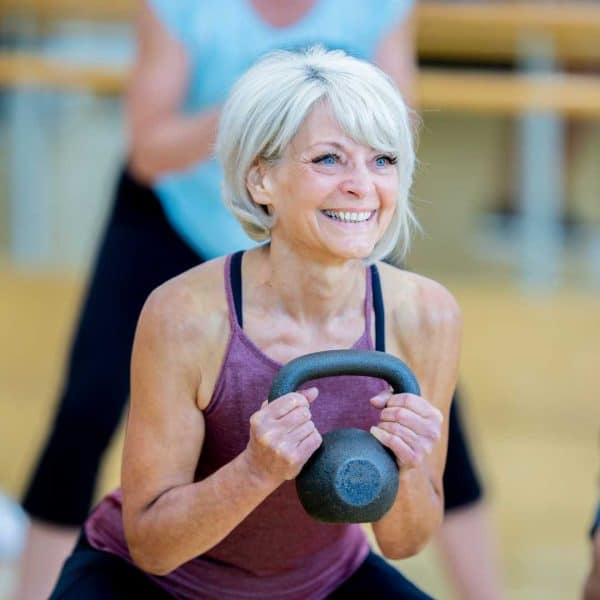
A major meta-analysis has confirmed a substantial benefit of regular exercise in older adults: improved cognitive function.
Cognitive decline is a common feature of aging, affecting memory, language, visual and spatial processing, executive function , calculation, comprehension , and judgment. A second study links cognitive decline to additional negative outcomes: falls and fractures.
These two studies use rigorous scientific analysis to draw conclusions that forge a new understanding of how regular exercise protects bone health and prevents dangerous fractures.
The Effect Of Exercise On Cognitive Function
A 2023 meta-analysis in the International Journal of Environmental Research and Public Health analyzed ten studies about the effects of aerobic and resistance training on cognitive ability.
The analysis concluded that aerobic and/or resistance training significantly improved cognitive ability in older adults, compared with controls. These benefits occurred regardless of participants’ baseline cognitive status.1
The researchers suggest these cognitive benefits are available to people who perform moderate-intensity aerobic exercise and resistance exercise on as many days of the week as possible. Currently, the World Health Organization and National Institutes of Health recommend 150 to 300 minutes of moderate-intensity physical activity, or 75 to 150 minutes of vigorous-intensity activity each week.
The researchers suggested that neural and vascular adaptations to exercise improve cognitive function by promoting neurogenesis, angiogenesis, and synaptic plasticity, while decreasing proinflammatory processes, and reducing cellular damage from oxidative stress. Through these actions, exercise helps maintain brain function and may delay or reverse neurodegeneration.1
Synopsis
An analysis of ten studies found that both aerobic and resistance training significantly improved cognitive ability in older adults.
Cognitive Decline And Fracture Risk
A study published in August of 2024 examined the connection between cognitive decline and fall-related fractures in community-dwelling participants aged 55 and older. The researchers sought to determine whether cognitive decline is a fracture risk factor independent of bone fragility.2
Ready to Put This Into Action?
Reading about bone health is a great first step, but building stronger bones requires the right type of exercise.
SaveTrainer gives you safe, expert-led workouts designed specifically for osteoporosis and osteopenia, so you can improve strength, balance, and confidence while following a structured plan.

They collected sociodemographic and medical data, including bone mineral density (BMD) measurements, from 186 participants with a fall in the previous year. The researchers also performed cognitive and mobility assessments on each participant.
They found that poor cognition, particularly slower processing speed and weaker working memory, was associated with an increased risk of fracture among people who had fallen. This association was more pronounced in women, regardless of their bone mineral density or other fracture risk factors.2
These findings shows that low bone mineral density is not the only significant risk factor for fractures, and a substantial proportion of fractures occur in people with normal BMD. Therefore, effective fracture prevention must extend beyond bone-density-focused interventions.
Established non-BMD risk factors include gait disorders, over-medication, comorbidities, alcohol consumption, and cognitive impairment.2
Age-related cognitive decline can be added to the list. As people age, processing speed diminishes, affecting multiple cognitive processes and increasing fracture risk regardless of bone mineral density.
<strongSynopsis
A study found that cognitive decline is a risk factor for falling fractures independent of bone mineral density. Fracture prevention measures must extend beyond bone density interventions to be successful.
Protecting Your Bones Requires More Than Bone Density Alone
The danger posed by osteoporosis is broken bones and the cascading health conditions and risks that follow a fracture. Fracture prevention is the ultimate goal.
The studies above reveal the complexity of fracture risk, and the limitations of a single-minded approach to reducing it. That’s one of the core problems with pharmaceutical approaches to osteoporosis treatment: they aim to increase bone mineral density without accounting for the many factors that raise the risk of falls and fractures.
These studies link cognitive decline to an increased risk of fracture, and show that exercise reduces the risk of cognitive decline. We can reduce fracture risk by using exercise to protect and improve cognitive function.
We know that exercise benefits bone health and helps to prevent fractures in multiple ways.
Exercise exerts force on bones, which stimulates the formation of new bone tissue and naturally increases bone mineral density and strength. This principle is described by Wolff’s Law, which states that bone tissue will adapt to the loads it experiences .
Exercise also builds muscle mass, which enhances your capacity to build bone tissue. Additionally, greater muscle mass and strength reduce fall risk by improving physical function. Stronger muscles help you avoid a fall or catch yourself if you stumble.
Now we can add improved cognitive function to these layers of protection as well. The many compounding benefits of exercise make it foundational to a healthy life.
Synopsis
Fracture prevention is the goal of osteoporosis care. Because cognitive decline increases fracture risk, improving cognitive function through exercise can lower that risk. Amazingly, regular exercise also benefits bone health through multiple additional mechanisms, which is why it is fundamental to a healthy life and strong bones.
What This Means To You
Stay active. Build a workout routine you love. Join a walking club. Take a water aerobics class. Lift weights. Try yoga. Exercise is fundamental to a healthy life and strong bones.
The Save Institute created SaveTrainer to provide Savers with a bone-targeted resource. From balance training and yoga to cardio and resistance training– SaveTrainer has the workout you want at the fitness level you need. And because SaveTrainer is an online video platform, it’s available to you anytime and anywhere.
Regular exercise keeps you mentally sharp, physically strong, and able to lead an independent life.
Don’t Just Read About Bone-Building Exercise… Start Doing It.
Follow safe, guided workouts designed specifically for osteoporosis and osteopenia. Build strength, improve balance, and move with confidence using expert-led workout plans you can do from home.








Why doesn’t my question get answered? I looked over your recipes on Bon Appetite and a lot of the recipes call for almonds-almond flour, chopped almonds, pecans, cashews, plain yogurt, almond extract, almond milk and some recipes, milk. My boyfriend is allergic to all of these what are substituted in your recipes for these allergens? Please respond to my email. Thank you
Hi Vivian –
Please help me understand the difference between SaveTrainer and Densercise. I would like to sign up for something, but not sure which one to pick.
Hi Susana,
Densercise is a four-week program backed by epigenetic science featuring 52 illustrated moves with easy instructions for strength, flexibility, and balance. It also includes online videos showing each exercise for simple follow-along workouts. Plus you’ll get bone-healthy recipes and nutrition tips to boost workout results, including what to eat before and after exercise for stronger bones.
SaveTrainer is a subscription fitness platform created to improve bone health and slow aging naturally. Its science-backed workouts include classes for bone strength, joint health, balance, posture, flexibility, yoga, meditation, and better sleep—with new sessions added regularly.
I hope this helps!
Thanks for giving us this helpful information.
You’re very welcome, Kathy!