


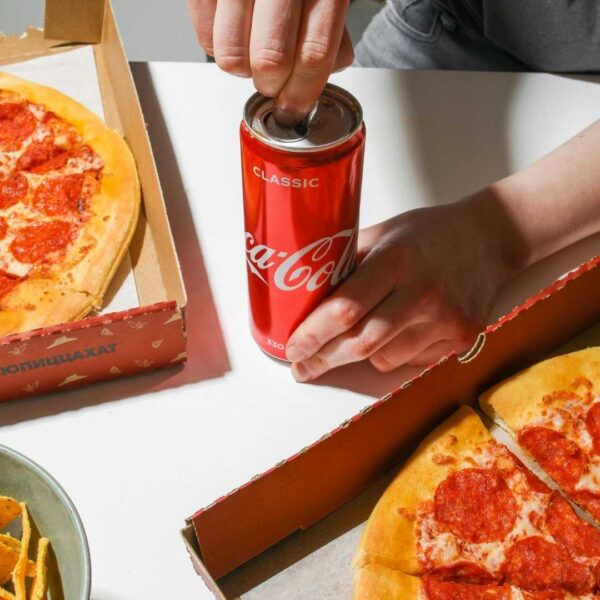
A study published in the British Journal of Nutrition has found an association between ultra-processed foods and bone loss.
This association will come as no surprise to Savers, who have long been aware of the dangers of ultra-processed foods, now confirmed by scientific evidence. These foods, made through the industrial deconstruction and reconstruction of plant and animal material, pose a threat to bone health. Interestingly, the study found that the negative effects of ultra-processed foods were most significant in adults under the age of 65.
In this article, we analyze the study’s findings and their implications for understanding the relationship between diet and bone health.
Ultra-processed Foods Linked To Bone Loss
A group of Chinese and American scientists analyzed 12 years of data from 163,855 adults and found that participants who ate the most ultra-processed foods (UPFs) had weaker bones and a higher risk of hip fracture.1
This association was most prominent in adult participants under the age of 65 and those who were underweight.
Ultra-processed foods are products made by breaking down food ingredients into their basic components (fat, sugar, protein isolates, etc.) and then recombining them with industrial additives such as artificial flavors, colorings, and emulsifiers.
The data came from the UK Biobank, in which participants included in this study completed up to five rounds of an online dietary questionnaire over five years. Each questionnaire captured a snapshot of a participant’s diet by logging everything they ate in a 24-hour period.
The study compared each participant’s cumulative dietary data with their history of fracture and bone mineral density at four sites.1
Synopsis
A study of 163,855 adults found an association between eating ultra-processed foods, weak bones, and a heightened risk of hip fracture. The association was particularly strong in adults who were under the age of 65 or underweight.
Stronger Bones. Without Drugs. Guaranteed.

The natural and evidence-based program that helps reverse osteoporosis and osteopenia in 12, 6, even 3 months… guaranteed.

Your Bones Are Only As Strong As Your Diet
The study divided the participants into three groups based on how much ultra-processed food they consumed. The one-third of participants who ate the most ultra-processed foods had lower bone mineral density at all four measured sites compared to the one-third who ate the least UPFs.1
Each standard deviation increase in ultra-processed food intake correlated with a 10.5% increase in hip fracture risk and a 2.7% increase in overall fracture risk.1
The more ultra-processed foods a participant ate, the higher their risk of fracture.1
The scientists pointed to several mechanisms that might underlie this correlation. The high levels of added sugar, salt, and unhealthy fats in ultra-processed foods may impair bone health over time. These foods are also low in or devoid of the nutrients bones require to stay healthy, such as calcium, Vitamin D, and other micronutrients. Low- nutrient foods may be displacing healthier foods from participants’ diets, resulting in bone-damaging deficiencies.1
The researchers also noted that a diet of heavily processed foods may disrupt the gut microbiome in ways that impede healthy bone remodeling, perhaps by driving chronic low-grade inflammation, which is known to accelerate bone loss.1
The stronger association between UPFs and bone loss in participants under 65 years of age may be explained by the more efficient digestive systems of younger adults. People under the age of 65 may be more capable of absorbing compounds in ultra-processed foods, resulting in greater exposure to those bone-damaging compounds.1
This finding underscores the importance of making dietary choices that protect bone health during middle age.
Synopsis
The study found that the one-third of participants who ate the most ultra-processed foods (UPFs) had the weaker bones and a higher risk of fracture than the one-third who ate the least UPFs. The unhealthy compounds in UPFs are likely the primary driver, especially if UPFs are displacing healthier foods in participants’ diets.
Ultra-Processed Foods Are A Growing Threat
Ultra-processed foods are a major health concern in high-income countries around the world, where they already account for more than half of total dietary energy intake in nations such as the USA, Canada, and the UK.2
Studies indicate that UPFs spike blood sugar levels, fail to satisfy hunger (leading to overeating), and disrupt the gut microbiome in ways that promote inflammatory disease. Diets high in ultra-processed foods have been linked to increased obesity, hypertension, coronary and cerebrovascular diseases, metabolic syndrome, gastrointestinal disorders, breast cancer, and overall cancer risk.2
A wide swath of the products on sale at grocery and convenience stores are ultra-processed foods, including:
- Soft drinks and sports drinks
- Sweet or savoury packaged snacks
- Candies
- Ice cream
- TV dinners and ready-made meals
- Mass-produced packaged breads
- Margarines and other spreads
- Cookies
- Pastries
- Cakes and cake mixes
- Breakfast cereals
- Frozen pizza
- Chicken nuggets and fish sticks
- Hot dogs and other reconstituted meat products
- Powdered and packaged ‘instant’ soups and noodles
- Premade desserts
The Osteoporosis Reversal Program recommends a pH-balanced 80/20 diet that automatically limits ultra-processed food intake. Since all UPFs are acidifying, they must compete with unprocessed acidifying foods for just 20 percent of every meal.
Ideally, Savers would minimize UPFs as much as possible, but the 80/20 rule of thumb simplifies healthy choices by focusing on how much space each food occupies on your plate.
Synopsis
UPFs make up as much as half of all calories consumed in high-income countries around the world, even though they are linked to a long list of health problems. The list above includes many of the pervasive categories of UPFs. Reducing your UPF intake is essential for bone health.
What This Means To You
Avoid ultra-processed foods by preparing meals from whole, unprocessed ingredients, as Pre-prepared and packaged foods can pose a risk to bone health.
Following the Osteoporosis Reversal Program‘s 80/20 pH-balanced diet will provide you with a solid foundation for building stronger bones and a healthier life. If you’re not sure where to start, check out the Save Institute’s cookbook, Bone Appétit, for help constructing delicious meals from whole foods. Bone Appétit can help you take what you’ve learned in the ORP– and in this article– and put it into action.
Make your kitchen the command center of your mission to strengthen your bones and improve your life.
Eat Your Way to Stronger Bones
Enjoy 200+ delicious, bone-strengthening recipes designed to naturally support bone health—without spending hours in the kitchen. Bone Appétit makes eating for stronger bones simple, satisfying, and stress-free.
Delicious, Bone-Healthy Meals Made Simple
Support your bones with 200+ easy, flavorful recipes designed to naturally boost bone strength—without spending hours in the kitchen. Bone Appétit takes the guesswork out of eating for bone health, so you can enjoy every meal with confidence.







Our protein powders considered ultra processed foods?
Protein powders are classified as ultra-processed foods because they consist of industrially extracted isolates rather than whole food sources. Most brands further qualify as UPFs due to the addition of emulsifiers, synthetic flavorings, and artificial sweeteners not found in a natural kitchen.
Please list the 12 minerals that make up our bones. And how much to supplement if a woman is elderly say fro. 60 to 85 year’s old
Coral, the 12 minerals that make up our bones are calcium, phosphorus, magnesium, sodium, potassium, sulfur, fluoride, iron, zinc, manganese, copper, boron. I’ve listed them most abundant to least abundant. Silicon is also present in small quantities – and that would be the 13th 🙂
Calcium and phosphorus are the “bricks” of the bone. They make up the vast majority of the weight. Magnesium, sodium, potassium, and sulfur are found in smaller but still significant amounts. All the others are “trace minerals.” Even though they are essential for bone health, the body only needs them in very small amounts.
And here are the recommended daily supplemental dosages:
Calcium: 400 mg Magnesium: 350 mg Zinc: 20 mg Silicon: 20 mg
Manganese: 5 mg Copper and Boron: 3 mg
Sodium, potassium, and sulfur are naturally abundant in most diets and fluoride is clearly not a recommended “supplement”, as explained in the ORP.
Mineral dosages for elderly individuals should be tailored to specific health conditions, as factors like kidney function and medication interactions can significantly change what is safe. Only use supplements as health permits.
I hope this helps!
Thank for all the info you provide always.