


“Marketing a disease is the best way to market a drug,” notes the well-known breast cancer expert, Dr. Susan Love. When it comes to Osteopenia and Osteoporosis, this statement rings especially true.
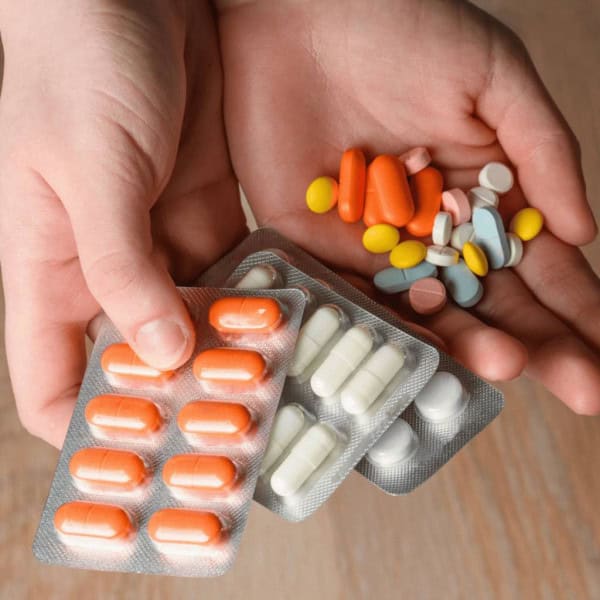
If you’ve been diagnosed with Osteopenia, chances are your doctor prescribed Actonel, Boniva, or Fosamax. Surprisingly, these are the exact same drugs used to “cure” Osteoporosis. You might rightly ask how come there is no distinction with the medicine and dosage prescribed for Osteopenia and for Osteoporosis. So let’s explore this “modern medicine” mystery together to finally uncover the truth.
It is important to remember that the diagnostic criteria for Osteopenia (along with Osteoporosis) was imposed in the early 90’s by the World Health Organization and quickly adopted by doctors. Using the T-Score as the ultimate ‘guiding light’, anybody with a standard deviation of -1 up to -2.50 is deemed to have Osteopenia and is hastily prescribed a drug.
Here’s how The Merck Manual, (the best-selling medical encyclopedia) defines Osteopenia: “In millions of women and men over 50, bone density (mass) is low but not low enough to be considered Osteoporosis. These people have Osteopenia (which means deficient bone). They are at risk of developing Osteoporosis as they grow older.” (The Merck Manual of Health and Aging, Section 3, Chapter 22).
By the way, Merck & Co. is the maker of the number one best-selling bone treatment drug Fosamax. Very conveniently (for Merck and other bone drug makers), patients “diagnosed” with Osteopenia are given the same treatment as those who have the full-fledged Osteoporosis verdict. This translates into billions of dollars in sales…and yet, there are no signs of an actual “disease”; only a potential for this condition to develop into Osteoporosis.
I am surprised that well-meaning health practitioners apply this concept because it simply makes no sense. Luckily, a few prominent doctors are aware of this and are trying to spread the truth.
For example, bone health expert Steve Cummings, MD, a professor at the San Francisco School of Medicine (University of California), says that there was neither real medical basis for developing a unique term such as “Osteopenia” nor to choosing the arbitrary T-score number for its diagnosis. He comments that “Osteopenia is not a disease, does not indicate a high risk of fracture in the next five to ten years, and is really almost a variant of normal. What I tell women in their 50s is that having Osteopenia means their bones are different than those of a 25-year-old and I note that there are probably many things about them that differ from when they were 25”. This is truly a breath of fresh air and gives me hope for the future!
I’d like to go one step further and present you with an analogy. For example, a slightly overweight person has a greater chance of developing diabetes than if he or she is at the ideal weight. So there is a newly defined condition you might have heard of called pre-diabetes, which is determined by a couple of blood glucose tests.
But here’s the difference between Osteopenia and pre-diabetes: there is no prescription drug treatment for a pre-diabetic. Instead, the American Diabetes Association writes as follows (https://www.diabetes.org/pre-diabetes/faq.jsp):
“Treatment consists of losing a modest amount of weight (5-10 percent of total body weight) through diet and moderate exercise, such as walking, 30 minutes a day, 5 days a week. Don’t worry if you can’t get to your ideal body weight. A loss of just 10 to 15 pounds can make a huge difference.”
You see, mainstream medicine could not come up with a newly invented disease in this case (such as diabetenia) because it would be life-threatening to excessively lower a patient’s blood sugar with diabetes drugs. Otherwise – trust me on this – all pre-diabetics would be prescribed diabetes medicines.
Clearly, doctors should educate their patients on how to PREVENT osteoporosis instead of prescribing potentially toxic osteoporosis drugs. But unfortunately, most doctors have been indoctrinated to think that the best way to solve a health problem is with a “magic pill”, and often don’t bother with natural solutions. Of course there will be the obligatory calcium recommendation (typically by incorrectly suggesting an INCREASE in dairy consumption), but that’s where it all ends…
Don’t get me wrong, doctors mean well and may not be aware that they end up killing an ant with an elephant. And last but not least, doctors don’t learn about Nutrition and are completely ignorant of this extremely important aspect of natural health maintenance and healing.
Thankfully, there is a natural and drug-free way to have strong and healthy bones. I hope that you will use your knowledge and your freedom to choose wisely… and when in doubt, don’t hesitate to contact me by phone or by sending me an email. I’m here to answer your questions and to listen to your comments.
Here’s to your educated decisions,
Vivian





I had breast cancer surgery in 2008 when I was 55. After surgery both Boniva an Arimidex were prescribed. I took Arimidex for 5 yrs and Boniva for 7 yrs. About the 5th year of Boniva I began to have lower back pain and groin pain, but attribute it to arthritis. My doctor referred me for an MRI and I found out I had a herniated disc. In 2015 I stopped taking the Boniva myself, after doing some additional research into its side effects. Physical therapy did not help and over time the condition worsened. In Oct. 2017 the condition had become so severe, the discs crushing a nerve, that my only option was spinal fusion surgery (lower lumbar L4, L5). I have never had an accident or illness and was diagnosed with “osteopenia”, not osteoporosis. I have found some information online that there is are several hundred cases of herniated disc in patients who took Boniva. I would like to know if there are others who have experienced similar issues after taking Boniva.
Vivian 🙂 Thank you for this great read. I am a 31 yo female, presenting with amenorrohae (diagnosed PCOS), I’ve had a missing cycle now for 2.5years. I am obviously working on this dire situation!I had a bone density scan today, as per my endocrinologists orders and my figures ranged from -1.2 to, -2, suggesting osteopenia. I read your article with interest and most information I can find online is directed towards older individuals. Do you have any feedback or suggestions for a 31 yo with ‘osteopenic data’? Yours in good health, Farley
Omg. I know this comment is few years old. I am 36 . Had irregular periods and also today was diagnosed with osteopenia. What happened
BTW,I forgot to include the supplements which I take,Calcium 1200mg with Magnesium & Vit D 3 1000 IU,also D3-5000iu 3 x wk. My T score from my forearm was -3.1, Z score 1.2. I had a fall 3 mo.ago d/t loss of balance while quickly getting up from my recliner to use the restroom– where I sustained close Fx of L2& L 3 of the spinous process with minimal discomfort for about 3 W wks.
No other falls of fx
Please reply,as I am very concerned with starting Fosamax PO therapy !!
Ania, at the Save Institute, we never recommend drugs as a course of treatment for osteoporosis; the Osteoporosis Reversal Program is based on drug-free options that are safe and effective. Ultimately, the choice is yours as to whether or not you take Fosamax or any other drug. It’s comforting to know that you are in control of your bone health!
I had bilateral hip replacement & had multiple spinal surgeries with couple rods ,screws ect. Last L3 – S2 fusion just 6 mo. Ago.
I year ago I had 2 Prolia SQ 6 months apart. Very expensive.
Now my Family practitioner wants me to start on Fosamax 70 mg PO weekly.
I think that I have some issues with my esophagus as I don’t tolerate dry foods IE rice, chips unless I drink lot of fluids with it.
Is it safe for me to start Fosamax weekly 70 mg PO ?
Can osteopenia be completely cured??
Here are some results my doc gave me today: do I need to change what I’m currently doing? BTW I am a 32 yo Crohn’s patient. I take low dose naltrexone and Entyvio. Longest I was on steroids was 3 months last year 2016, Prednisone.
At the spine (L1-L4), total bone mineral content is 56.92 grams with average
bone mineral density of 1.105 grams/cm2. T score is -0.7 (93% of
20-40-year-old young normal values), and Z score is -0.7 (93% of age matched
normal values).
At the right hip, total bone mineral content is 27.14 grams with average bone
mineral density of 0.767 grams/cm2. T score is -1.9 (76% of young normal
values), and Z score is
-1.8 (77% of age matched normal values).
At the left hip, total bone mineral content is 27.88 grams with average bone
mineral density of 0.793 grams/cm2. T score is -1.7 (79% of young normal
values), and Z score is
-1.6 (80% of age matched normal values).
T scores at the femoral necks of the hips are -2.2 and -1.9, 71 and 74% of
young normal values.
IMPRESSION:
Therefore, at present, significant osteopenia is noted at the hips but not at
the spine; there is currently increased risk of fracture as predicted by bone
mineral density at the hips.
(WHO criteria for bone loss: -1 to -2.5 T score, osteopenia; below -2.5 T
score, osteoporosis; below -2.5 T score with fragility fracture, severe
osteoporosis).
15 years ago my right hip just fell into five pieces while I was walking back to bed from the bathroom in a motel room. My wife is a nurse practitioner and we were Travellers working on Native American reservations but we were vacationing over to a small town in Oregon. The doctor was brilliant and very cutting-edge used something in the metal parts that repaired my hip that the doctors in the next state we were in had said they saw it in a magazine but have never really seen it used before. It was like a six-month recovery that I went through. After all kinds of screening and testing they diagnosed me with the low testosterone and osteopenia. Two months ago I had a CAT scan by my regular doctor here who I feel is very much in tune with what you were saying as he prescribes me only a once a week dose of Erogal 50,000 U (vitamin D) and my wife encouraged me to stop taking osteoporosis drugs years ago before she died. This new diagnosis of osteopenia in my
left hip is rather frightening as you can imagine. My doctor is also giving me a 1ML shot of testosterone every three weeks since he has been consulting with my urologist. Sure would like to get you’re insight but realize you must be terribly busy so I certainly understand if you don’t get back to me. Most sincerely,Clifford Mullett Thank you for even reading this! I am also on an over the counter regimen of calcium.
I agree with many of the women on here. I am 25, and was just diagnosed with osteopenia last week. I had a DEXA scan 2 years ago that was normal. Now I have weaker bones. Granted, I have an Eating Disorder, so it takes more of a toll on my body. But I have had fractures and such that I never knew were there until someone touched them. I had to have surgery on my foot from a bone break that I didn’t know was there for 8 weeks. I don’t want to be on medication. I don’t even want to take supplements for that matter. But this article is only the view of one doctor. I have about 4 doctors that I see on the regular, and none of them want me on meds for my bones. Their goal is full nutrition for me for now.
Osteopenia takes a toll on people. It IS a problem. This article is basically saying that those of us with osteopenia, should suck it up. Because it isn’t a real thing?
I would even go as far to say that there are some of us out there that may actually feel pain from osteopenia without there being any broken bones. I know that this last couple months, I have not been able to sit criss cross…. Because my left hip and femur hurt too much. I can’t sleep on my left side because my left hip and femur hurt too much.
My back is in so much pin point pain, yet I don’t have any fractures. It just hurts to bend.
Anyways, just my advocation.
While in my 30’s I was diagnosed with Osteopenia. I had quite bad Asthma as a child. I’m now 40 and curious about other proactive approaches I can look at. I run approx 18 miles a week and take a prescription called Adcal with vit D. 1 tab twice a day. I don’t drink coffe or fizzy drinks. I’ve never been a pill taker and have had enough of it. Any advise?
Actually, my father is pre-diabetic and doestrogen take medication. Also, I was diagnosed with osteopenia at 30, was told to take calcium and vitamin d, nothing else. I have broken 5 bones including a vertebral compression fracture and a fracture in my hip. I am not saying these occurred because I was not prescribed other medication but only to make a point that it is a serious condition. I obtained all of the fractures from events that did not involve trauma. I fracturedon’t my hip simply getting out of bed and still don’t know how I obtained the vertebral fracture. I find it unwise to post an article with only one doctors opinion as evidence.
What happened after. Did exercising help
Hello, from all the reading I have been doing recently on bone density, it appears that Magnesium and its ratio to Calcium and Vitamin D (+ Boron and Vitamin K) is so important. It makes sense as they all interact with each other for your body to absorb them. I take a ratio of 3:2 of Magnesium to Calcium (375mg of Magnesium to 250mg of Calcium + Vit. K, Vit D (1000iu) and 1 mg Boron. Get all my extra calcium from Green Veg, oily fish and some dairy.
My oncoligist, breast cancer, suggested very strongly that i take vitamin D for my osteopenia. He told me that calcium is not needed to be taken with the vit D. It only causes digestive problems and does not increase absorption of the D like vitamin companies insist is a necessity.
I researched everything oncologist tolde and found it to be true.
Ladies, do your research before taking anything even a Dr. suggests or prescribes. And save your money and sanity.
I hope you all get well and have a happy and healthy New Year
Luv to you all
O was just diagnosed with Osteopenia but I also have an anuerism in my right carotid artery just below the eye, and milk or dairy gives me a tummy ache . It’s stange but I’m glad there’s no disease yet. I will try walking. Change my diet will be hard I’m addicted to coffee being I couldn’t drink milk when I was younger and Iron I have a reaction too. All due to aging. I can still walk and exercise my knees that will help with the strengthening of my bones, and fish to strengthen my viens, I’ll drink the silk almond milk at least my tummy don’t hurt . At 49 my bone density has just started thinning.
Wonderful healing! i am sharing my family testimony with joy and hopes that you will also use to get your own cures from the best herbal doctor…i was sick from the disease Ephysema, i had to stop my work and cut all contact from friends, for long i searched for possible help to get cured but couldn’t get any, Until i came across a blog testimony the herbal cures for Dr Sebi provide, i contacted him through his email: (drsebiherbalisthealinghome12@gmail .com) with my problem,he prepared herbal medicine and sent it to me, i used it with his instructions then i went for my weekly test,my tests result came out negative.
Recently Dr Sebi also saved my sister,she was having warts infections all over her body,it was itchy and reddish, i quickly contacted dr sebi, he sent us some herbal to use and now everything is clear from her skin. Why struggle with any sickness and infections when all you can do is contact Dr Sebi, his email: (drsebiherbalisthealinghome12@gmail .com) he will help you with his genuine and certified herbs.
Thank you dr sebi.
Hi Kim, but isn’t Dr. Sebi deceased? I know his office is still run by a family member in LA. But I’m pretty sure he’s no longer with us. Did the supplements help you with osteopenia? Sending blessings
I was prescribed Fosomax a year ago, due to having a score of -2 from the bone density scan and for the last nine months had constant problems with my legs and joints. Luckily, I twigged that it could be the drug and looked up the side effects which included this problem. I immediately told my doctor that I had stopped taking it and was concerned about the dreadful side effects and he said I had done the correct thing. I cannot understand why he did not warn me of these side effects before advising me to take this drug. I am now getting throat and digestive burning even though I am on a good alkaline diet and am worried about the threat of cancer of the throat which is one of the side effects. Could this be a concern, as I was only on Fosomax for a year?
Hi I am 58 years old and female. I broke my tibial plateau 18 months ago. I have been working hard to get back to my very active life ever since. I have had three operations the last one 8 weeks ago. I have requested a dexa scan on many occasions and also the need for supplements of vit d and calcium. Each time I was told there was no need. Eventually insisted and dexa scan results show results of -1.8 in spine and both hips but femoral neck in injured leg -2.8. Good news is leg is at last improving I am increasing activity i e walking riding (horses) physio and have been prescribed vit d and calcium. My diet is good I drink moderately and work outdoors with horses. My question is can I improve my bone density especially in femoral neck of injured leg without osteoporosis drugs? Or am I left at risk of fracture?
I am here to testifies on how Dr Odia help me to cure my sickness called CANCER OF THE LUNGS which has been eating me up for 2 years and 4 months, and when I go online I saw his email on how he cured so many people, so I emailed the Dr and tell my problems to him, and tell all his necessary needy for the healing, after that day he gave me an assurance of 3 days of his herbal healing, and said I should go for a medical check up on the 4th day of which I get to the hospital the new result now shows that the cancer was gone,And now am so happy and free from it thanks to Dr Odia. Please if there is any one in need of his help should kindly contact him on his email address ( drodiaherbalistcenter @ gmail . com )
Hi my names Carrie was diagnosed with osteopenia wasn’t prescribed anything I have a broken rib and now with this can’t get comfortable in pain all day long going all the way around my back and up my spine can’t lay down. What should I do please help me
Carrie, Ironically my name is also Carrie. I was diagnosed with Osteoporosis in my neck and lower spine as well as Osteopenia in my Femur and wrist about 2 years ago (due to treatment I had in my 30’s I believe). I am 54 years old. I decided not to take the Prolia injections (or the Biophosphate drugs) that the doctor very adamantly wanted me to take. (I no longer see that dr) I believe in natural treatment and the God-given ability of the body to heal if it is treated properly. I sought out a Endocrinologist who is super good and well known. After blood tests it was found that I was severely deficient in Vit D. I have been on Vit D now for a year (very high dose every week) Must be monitored well as you can get overdose. Make a long story short. My bone density test still shows some Osteopenia but no Osteoporosis! My bones actually reversed the breakdown of bone mass!! I continually seek to study natural things to do and currently walk/weight lift every day if possible, eat a healthy diet, take calcium and I have recently added Vit K2 (MK-7) to my daily intake. I have read how long it takes to reverse bone loss and so I am so shocked to see that it has taken only a year for me to see such results. Do alot of research, trust your gut instincts, see a good dr who will work with you, exercise (within your limits) and God bless!! I can’t wait to see what next years bone density test shows.
Thanks for this advice, 55 diagnosed with osteoporosis upper and lower spine, hips osteopenia. Found out about Natto, mk2, calcium citrate, d3, magnesium. I just got diagnosed, have bone and teeth issues going back years. Take care of yourself, because doctors don’t use the information available to them, or their instincts, just tests and drugs. I am so happy to see that somebody got results with these vitamins and minerals. I may just have needed them all these years.
I am 26 Years old, I have Osteopenia in my hips, I do not know where to start!!
I have been taking oestrogen since I was 21 years old.
I have been taking calcium and vit D for the last 6 months, I need to exercise more but not sure what is more beneficial plus the correct diet.
I have no trust in my doctors, they don’t even listen when I talk, it is so hard to find a decent doctor.
Reading your post has given me hope but I am so worried as I am very young for this condition.
Any tips?
Thanks
Welcome, Marie! You have come to the right place if you want to take control of your own bone health. Keep researching and learning, and then you and you alone need to make the decision as to how you will proceed. Remember, it’s your health and your body!
I was just diagnosed with ostaopenia I want to know I work where’s it’s 40 degrees all day and lift and twist about 200 to 350 pounds is that okay to work doing all this I already have s broken rib please need some answers!!!!
Back to 2010: Bone density was worse than the test results in 2008. Found out I also had been on Fosamax years beyond what I should have been. Doc said “take more D” as if more was a quantity. Stopped Fosamax (after research) added 200o UI Vit. D3. I get an additional 1000 IE in my one a day. 2012 Test Results: [March 2012:Dual femur: total mean is 1.001 g/cm squared with a T score -0.1 SD below young adult in the normal range. this is increased 14.3 percent since 3/2/2010 and almost 18 percent since 2/05/2008.
L1-L4 AP spine region is 1.001 g/cm squared with a T-score of -1.6 SD below young adult normal in the osteopenic range. This is increased by 6 percent since 3/2/2010 and almost 11 percent since 2/5/2008. Compression fractures T5 and T12.]
Most recently (this year) (weird as what was seen as almost 18% increase in 2012 is now showing less?) Bone mineral density dual femur total mean 0.943 g/cm2 T score – 0.5 standard deviations below young adult normal in the normal range. Z score +1.3. This is unchanged from 3/27/2014 and has increased 12% since 2/5/2008.
Bone mineral density L1-L4 AP spine region 1.049 g/cm2 T score standard deviation below young adult normal in the osteopenic range. This has increased 3.7% since 3/27/2014. May be falsely elevated because of osteoarthritis changes. Z score +0.2.
The Nurse Practioner wants me to take Prolia. She says my risk for fracture has increased because of my age (82). She is also the national spokeperson for Prolia. Although my bone density has increased, I have have spondylolethsis L4/L5 and L5/S1 plus a bulge, nerve impingement, a synovial cyst and tears in 2 discs. Getting injections on May 6; Wish they could inject glue. Not happy about this.
My mother had serious teeth problems after being on Fosomax for years. Close to having necrosis of the jaw. Look it up! The specialist doctor who treated her said that most GPs are ignorant of the risks.
Hi Everyone, This courageous man, Dr. Eitan is a healer, pathologist, herbalist, biochemist and naturalist, who immigrated from Jerusalem and who has committed his life to the service of helping people cure their diseases. In essence he teaches his patients how to use nature to take care of their bodies. i want to inform the public how i was cured from (HERPES SIMPLEX VIRUS) by Dr. Eitan, i visited different hospital but they gave me list of drugs, Zovirax, and Valtrex which is very expensive to treat the symptoms and never cured me. I was browsing through the Internet searching for remedy on HERPES and i saw comment of people talking about how Dr Eitan cured them from ALS, CANCER, HERPES, DIABETES and so on… when i contacted him he gave me hope and send a Herbal medicine to me through courier service that i took and it seriously worked for me, am a free person now without problem, my HERPES result came out negative. I pray for you Dr. Eitan. Am fully cured. you can also get your self cured my friends if you really need my doctor help, you can reach him now: dreitanhealingcentre212@gmail . com THANK YOU FOR YOUR HELP TO CURE MY (HERPES SIMPLEX VIRUS)AM SO GRATEFUL!
Ive just agreed to go on medication recomended by my doc im now wondering if i should .
In the past, HER+3, chemo. Last year was diagnosed with Osteopenia last year. I sort of ignored it and now, a year later having pain in hips and surrounding muscles. There is nothing I can do to get rid of pain. Training at times makes it worse. Please advise me which area of specialty I should aim for regarding any medical treatment. Supplements have no affect other than to make me feel sick. All comments welcomed.
I have been diagnosed with osteopenia, and my pain only exists below my left knee. I have severe osteoporosis as well. The only medication that does away with my lower left knee pain is Gabapentin (that’s the generic name). I take 300 mg up to 3 tabs per day. Within 30 minutes of taking a pill the pain is gone. My pain consists of “shooting” pains or nerve regeneration type pains. Goid luck!
Could be a disc impingement and have nothing to do with osteopenic condition. Strengthen knee with aerobic therapy and if pain goes from knee to another area it is more likely to be the culprit. Gone through this myself, knee was burning like fire and starting to collapse when walking around, after therapy found a fully herniated disc L4-L5 that had not been displaying any symptoms. Check it out before giving up.
I had stage 3 breast cancer and took 6 mos. of chemo and 2 mos. of radiation.. after surgery and many lymph nodes removed, I now take the Prolia and vitamin 3 D 3,000 for bone loss to build up my bones when my tests results and blood work show I am built up I will stop the Doctors agree and my dentist says it takes a lot more Prolia than I am getting every 3 mos. or 6 mos. to cause any teeth or jaw problems. I was concerned about so much vitamin 3 D until I ran into a lady that is taking 10,000. I am doing what the doctors say and we will see all cancer is clear now!
Was needing advice about oustipenia
Thank you for providing us with much needed information that our doctors neglect to tell us.. I was prescribed Forteo for 2 years. After reading about possible cancer and that the 2 years was supposed to be: never exceed 2 years–which is quite different than: take for 2 years..After 8 months I stopped on my own and requested another bone density test. After fighting with doctors, (ins. will only pay every two years) I explained that the reason is to see if Forteo is making any difference–Yes! I got the additional test and found my bone density increased a total of: only .1 LOL since the maximum benefits are reached within the first 6 mos.; after that it’s barely maintenance, I decided to stay off the Forteo and energy levels are noticeably higher now, along with clearer thinking and better mood. Forteo is tricky in that I never noticed deficits until I stopped taking it and improved.
I also took advantage of the $10 down/$10 month deal at Planet Fitness and am headed to the gym this morning. I did 20minutes on stationary bike which is the most I’ve moved in 4 years!
Two years ago I had my first bone density scan and was told I have osteoporosis in my back. I am 73 years old. I was on Fosamax for 3 months, prescribed by my new doctor. My jaw bones began popping when I opened and closed my mouth. I also had a tooth break in half. Being afraid, I stopped taking the Fosamax. I went back to my regular doctor and he suggested I take the Reclast shot. I was afraid of the shot too, so refused to take it. Just recently, I have started to have lower back and hip pain, sometimes to the point of hardly being able to move. What would you suggest please? Is it too late to rebuild bone in my back?
I am glad you’re here, Melba! The decision to take drugs or not is, of course, a personal one; but I encourage you to keep researching and gathering information before you decide. The Osteoporosis Reversal Program offers an “alternative” route to reversing osteoporosis without drugs, and only you can make the decision if it’s time to embark on that route!
Explore, learn, and keep asking questions. 🙂
Vivian,
I’m 34 and went through chemo 2 years ago. Just did first bone density and was diagnosed with Osteopenia. Dr wants to do prolia shot to prevent me from getting osteoporosis. Is upping my Calcium and Vitamin D intake enough? I really don’t want to be on Prolia
The choice is yours, Rochelle – you do not have to take any drug if you’re not comfortable. Feel free to explore non-conventional, nutrition-based health for your bones!
I take vitamin D 50,000 units twice a month pluse a D 3 2000 units every day . From what I read I have osteopenia I guess I didn’t need the Boniva after all l.
It’s just another way to make more money. I feel sometimes it’s not too good to believe on just one Dr’s opinion we should do more research on on the matter. Thanks for your opinion. Maybe this could help someone else. Have a good day Stella
I’ve been on Boniva for about 7 yrs . I fell pushing a shopping cart on 3 18 16. Went to ER was told nothing broken. Went to my phyical therapy Dr he had X-rays of my Lumbar spine taken . I have a Compression fracture L 1 disc . I’ve been on Boniva for 7yrs. was to get my infusion last wk. Dr said to get the I fusion . Nurse said she had to report my compression fracture I haven’t heard from her since. I of $265.00 I still have the Boniva I do not know if I can get my money back from CVS the Boniva is still in the bag. What do you think I should do? Thank you. Stella
My name is Carrie. I was diagnosed with Osteoporosis in my neck and lower spine as well as Osteopenia in my Femur and wrist about 2 years ago (due to treatment I had in my 30’s I believe). I am 54 years old. I decided not to take the Prolia injections (or the Biophosphate drugs) that the doctor very adamantly wanted me to take. (I no longer see that dr) I believe in natural treatment and the God-given ability of the body to heal if it is treated properly. I sought out a Endocrinologist who is super good and well known. After blood tests it was found that I was severely deficient in Vit D. I have been on Vit D now for a year (very high dose every week) Must be monitored well as you can get overdose. Make a long story short. My bone density test still shows some Osteopenia but no Osteoporosis! My bones actually reversed the breakdown of bone mass!! I continually seek to study natural things to do and currently walk/weight lift every day if possible, eat a healthy diet, take calcium and I have recently added Vit K2 (MK-7) to my daily intake. I have read how long it takes to reverse bone loss and so I am so shocked to see that it has taken only a year for me to see such results. Do alot of research, trust your gut instincts, see a good dr who will work with you, exercise (within your limits) and God bless!! I can’t wait to see what next years bone density test shows.
Thank you very much for the information you provided about osteopenia. It sure gives hope. I was wondering is there a program to follow to prevent osteopenia from developing into osteoporosis?
Should a woman of 73 exercise twice a day, half an hour each time. I find it very tiresome. Shouldn’t once a day be sufficient.
I have low back pain, very slight arthritis in the right hip. Pain goes up to my knees. I’ve been diagnosed with osteopenia.
Hi, Im 21 and im diagnosed with osteopenia 4 years ago. I do nothing as a treatment. Im eating balanced and consuming dairies. I went to many doctors. They gave me calcium and vitamin D supplements and fosamax. I didnt consume fosamax. Im 44 kg and 158 cm girl. They said im slim so that I have this. How can I increase my bone density? Im planning to be pregnant in 2-3 years. Would pregnancy effect me badly?
thank you for your answer.
I have just received my Save our Bones program, I live in England. I have been Coeliac for 21 years and was diagnosed with Osteoporosis 1 year ago. I was advised to take Fosamax which I took once a week for 6 months. After five months I developed chronic constipation. When I read Fosamax could cause constipation I stopped taking it, that was eight weeks ago and I still have it. My doctor has run blood tests and they are all good. Do you think this could still be the reason for the constipation.
Also on page 21 of you book it says that it should be possible to correct bone loss by diet and lifestyle changes unless you have certain gastrointestinal conditions. Does Coeliac disease count as a gastrointestinal condition?
Hi Ann,
If the Fosamax was the cause of your constipation, eight weeks may not be long enough for the condition to correct itself after stopping the drug. In addition, Celiac disease itself can cause constipation, so you might want to see your doctor about making some dietary tweaks and getting over this “hump.” As far as gastrointestinal conditions go, yes, Celiac would be considered as such, because it affects the absorption of nutrients. But if you are managing your Celiac disease for as long as you have, it’s likely your gut has healed considerably and absorbs nutrients much better than when you were first diagnosed.
Hi there Vivian,
My mother has been diagnosed with advanced osteoarthritis. She has been put on fosavance and she has lost 17kgs in the last year. The meds messes up her taste, so she can’t taste any food. It also causes alternating constipation/diarrhea. When the constipation sets in her intestines swell up and causes immense lower back pain, because she was in a car accident when she was a little girl and the cartlidge in her lower back was damaged to the point of almost non existence. She has lost 17kgs in the last year and 13 the year before and her bone density has dropped from -2.1 to -2.7 in her hips. The treating doctor says there is no alternative and no way to counteract the side effects. She is 63 years old and though she has never been fat, she is now so thin that she cannot find clothes to fit her anymore. All her clothing has to be adjusted about once a fortnight just so it doesn’t fall off.
What can we do?
Please e-mail me or phone on +27791625638
I have osteopenia and the dr. Prescription was alendronate i have 2 year taking vitamin d and calcium I’m bored about calcium because i notice that making me sick with strong gases what can i do for avoid the gases and keep my bones strong can i stop with calcium
It sounds like your calcium supplement is not digesting properly, Maria. Plant-based calcium, such as calcium derived from algae, is much more easily absorbed in the body. This is why inorganic calcium, such as calcium carbonate, is not recommended on the Program, while plant-based calcium is.
Can you please unsubscribe me do not want to receive any email from your web side thanks
Hema, to unsubscribe, simply scroll down to the very bottom of any of Vivian’s emails, and you’ll see the following message:
“Change Subscriber Options” (there is a blue link there that you click on and it will take you to the unsubscribe page).
hi i am 22 years old male and i was regular in gym from past 3 years,and in april 2014 i was suffering from dizziness and stiffness in my neck and upper back,then i went to docter and i was diagnosed with osteopenia in my spine with t score of -1.5 and then after all blood reports i was vitamin d deficient rest everything was normal,then my docter gave me medicines like calcium supplements,vitamin d supplements,multi vitamins,muscle relaxants,pain killers and adviced me to do morning walk regularly, after this whole treatment again i went to check my bone density dexa scan on july 2015 and i was shocked that my t score was -1.6,and due to medicines there are alot of side effects like hair fall,weght gain,and again went for a blood test and everything is normal but bone density is not increasing, i am in same position with alot of cracking noises in my back and neck. pth,testosterone,phosphorus,calcium,thyroid,vit d,and everything related to it is normal but bone density is not increasing,please advice me what to do
You’re already doing the right thing, Ishaan – you’re clearly doing your research, and you’re not afraid to take your health into your own hands. Feel free to use the Search feature here at the Save Our Bones site to learn more about Vitamin D deficiency and other topics of interest, and by all means, get a second opinion about your health if possible.
Hello I am 27 years old , I was diagnosed with osteoporosis at age 24 my doctor said it was strange being that I’m young and I’m a male .. He did several blood test and couldn’t find a reason …He put me on alendronate for 2 years then my insurance cut off and I just recently got it back on in February which would mean I didn’t take meds for a whole year … In February I visited him and he made me take a bone density test and now I have osteopenia … Can my condition be cured ..My T scores are now 1.4 in the lower back and 1.8 in the hip .
Hi Steven,
A scan that shows osteoporosis in a 27-year-old male should raise lots of red flags as to the integrity of the scan itself. I recommend seeking a second or even a third opinion.
It’s important to remember that variations in DEXA readings can be machine-related, or could be affected by the amount of lean tissue you have. Here’s why:
DEXA scanners beam X-rays at the lumbar vertebrae and the hip to measure the shadow cast by the bones. Software in the machine estimates the amount of calcium in the bone based on the darkness of the shadow. This means that DEXA scans are not three-dimensional; they are two-dimensional, like a plain X-ray, so it is very “insensitive.” This two-dimensional reading, therefore, causes errors in the “reading” of actual bone density. And DEXA scans measure quantity of bone rather than quality.
The bigger question is not whether there could be positive results from the Osteoporosis Reversal Program in a certain period of time; it is more about your true bone health philosophy. It is impossible to predict what will happen in your own particular case, so the inescapable question is whether you formulate your bone health philosophy based on potential results or based on your thoughts about what’s best for you.
And please realize that drugs, whether prescribed or over the counter, may help temporarily (or more likely, may just appear to be helping), but there’s always a price to pay.
I hope you’ll seek that second opinion!
When I was diagnosed with breast cancer two years ago my surgeon and oncologist immediately put me on to anastrozole (who is interested, chck this pharmacy – https://www.athletespharmacy.net/pct-post-cycle-therapy-363/arimixyl-16317.html ) and Alendronic Acid (a bisphosphonate). I had a base line DEXA scan done in the Oct which showed I was already osteopenic. During radiotherapy they also prescribed Adcal3. Apart from the hot flushes from taking anastrozole, which have now seem to have subsided, I have had no problems with any of the medications. I had another DEXA scan in Mar this year and the results were roughly the same as the one 18 months prior.
I hope this has helped.
Hello. I need advice I’m 38 years old I’m epileptic and I got diagnosed coeliac about 5 months ago, I had a DXA scan after and it shows I have osteopenia, due to coeliac desease my body isn’t absorbing nutrients and vitamins needed for my bones, I’m taking actonel and adcal D3 also vitamin C tablets a day,I’m worried how high my chances are fracturing or breaking a bone compared to people who absorb vitamins for the bone without illnesses that prevent absortion? . I’m frightened to carry and lift my doctor was very vague on these questions.
Please advise I’m departed to understand what my body can manage. Kindest regards
Sorry ‘spell check’ it should say desparate regards
Hello, I am a 48 year old woman. Last year I was diagnised with osteopenia And put on Calcium 600+Vit 3. ti. I had another scan and Told to continue supplement. However, My recent Labs indicating Vit D.25 (OH) Is high sitting at 142.0! I have done research and the past 6 months for me I’ve experienced massive bone pain confusion, mood swings, brain fog, personality changes, fatigue, inability to sleep even though exhaisted, hard to wake up – (never feeling refreshed). I wonder what to do regarding supplements and high Vit D3 LEVELS….”catch-22 scenerio.” These symptoms are debilitating and I’m almost convinced there to be more going on with me. I sincerely appreciate any advice shared.
Respectively,
Angela
What is your blood calcium. Check PTH (parathyroid hormone). If one of your parathyroid glands has gone kookoo the only fix for it is removal, which is fortunately pretty easy.
Loved the article! Got here after searching about osteopenia to get some info on how I can help my mother. Yes, they give You drugs when instead 3, 4 times weekly training and losing weight gets the things done. Cheers!
I will be 52 in June. Yesterday I received the results of my Bone Density Scan. My doctor’s nurse called me to let me know that I have osteopenia and that the doctor put in prescriptions for calcium/vit D AND Fosamax. I am not sure that I want to take Fosamax, as I have heard it is toxic. Can you please give me some guidance on this?
Manya, Vivian has written quite a bit about Fosamax. To get started on your research, you can use the Search feature on this site. Simply type in “Fosamax” (or anything else osteoporosis-related you’d like to read about), and all the posts Vivian has written on that topic will be listed for you. 🙂
I am taking Anastrozole because i had LCIS & DCIS recently. I had lumpectomy on October 20th, 14, and thanks god the pathology report came negative, however the first biopsy result showed that it was estrogen and progesterone positive. The radiologist said i don’t need any radiation because the final result showed nothing positive and i don’t have to worry about it, but the ecologist prescribed Anastrozole to block the estrogen or minimize the body from creating estrogen even though i am menopausal since i was 45 years old. My question do i need to worry about my bone or anything us while i am on this medication. Also do i need to take any vitamins to help my self. i eat very healthy and i use everything possible to help my self from exercise to healthy juices and healthy lifestyle. Please help.
Soraya, I am so glad that your recent results came back negative! Anastrozole and other estrogen-inhibiting drugs do have a negative effect on bones, so that’s all the more reason to follow a program like Save Our Bones. 🙂
The Program aims to retain the necessary minerals in the body so as not to deplete bones. It does this by maintaining an alkaline blood pH. In fact, some scientists believe that an alkaline pH may also stave off cancer from recurring. So it may have a double benefit!
Pls I don’t no what to do about my left hip joint I once have an accident b4 now is up to seven to eight years, starting from last year now I now feel great weakness pains joint noise thinning growing short even now I bend before I can work till now I can stand strong. What can I do to gain my health back
Vivian,
My mom is 68 yrs old and has been diagnosed with osteopenia. she’s on calcium and vitamin D. She is a strict vegetarian. what kind of diet would you recommend for her to curb osteopenia. Is osteopenia reversible ? how can i help her.
Your suggestions are valuble to me.
thanks
Priya
Do I need Fosamax if score is -1 in one place (lower spine)?
In a recent bone density test I have been diagnosed as having osteopenia in my lower spine as well as in the left femoral neck. I am 66 yrs. old and have now other medical issues. I average bone density loss is about 20% in the areas mentioned. The doctor suggested taking 2000 units of Calcium with 1000 units of D3. Previously I was taking taking of that. Also she suggested going on a drug called Actonel taking it once a month. I would like to know if osteopenia is reversible with meds or whatever and if it is ok to take the above mentioned drugs. Please reply.
Thanks
Catherine
In a recent bone density test I have been diagnosed as having osteopenia in my lower spine as well as in the left femoral neck. I am 66 yrs. old and have no other medical issues. The average bone density loss is about 20% in the areas mentioned. The doctor suggested taking 2000 units of Calcium with 1000 units of D3. Previously I was taking half of that. Also, she suggested going on a drug called Actonel taking it once a month. I would like to know if osteopenia is reversible with meds or whatever, and if it is ok to take the above mentioned drugs. Please reply.
Thanks
Catherine
I was just diagnosed with osteopenia. I’m 48 and all of my other labs are great. He tested me because I’ve gotten shorter 🙁 and my mom has osteoporosis (as did her mother.) Your article makes me thankful for his practical approach. The nurse did not talk about it as a disease but more like a pre-stage, not-as-bad sort of thing. He told me to take calcium and vitamin D, do weight-bearing exercises and to have another scan in two years. I’d love your thoughts and am signing up for your kit. Thanks!
Welcome, Angela! I am so glad you found this site, and your contributions to the community will be most welcome. 🙂 I encourage you to read all the free information on this site and make full use of the Search feature and free downloads! I wish you well on your journey to better bone health.
Dear Vivian, I am 32 and were diagnosed with ostopenia recently and medicated with Bonviva. I had a lot of doubts about taking the medication or not and then I read your blog. What are your drug-free recomendations, is there any document I can read? BR,
My 91 year old mother has been diagnosed a 2.5 on the osteoporosis scale. She is diabetic, treated with pills and diet and is in relatively good health. She is a little less steady with her balance. She had a bone density test through Kaiser and the prescribed the once a week tablet Alendronate Sodium 70mg. My question is even if the tablet works on increasing bone density will it make a difference in a 91 year old?
It’s impossible to predict just how sodium alendronate (Fosamax) will affect your mother; there are just too many individual variables. But I never recommend drugs to anyone, regardless of age!
I have just been told with a bone density test that I have osteopenia. Was started on Fosamax and also told to take 1200mg of calcium. I have pain in my joints, and I’m gaining weight. Also told to eat yogurt daily. Fosamax dose is 70mg once a week. What are your feelings on taking these drugs? I also seem to have problems with constipation.
Teresa, the Osteoporosis Reversal Program focuses solely on drug-free options for managing and preventing osteoporosis. I’ve written several posts about Fosamax and bisphosphonates in general – I encourage you to read them as part of your research! 🙂
https://saveourbones.com/fosamax-alendronate/
https://saveourbones.com/bisphosphonates-double-the-risk-of-esophageal-cancer/
https://saveourbones.com/yet-another-good-reason-to-avoid-osteoporosis-drugs/
https://saveourbones.com/new-year-off-to-a-bad-start-for-osteoporosis-drugs/
I went for m yearly physical, everything was great, but my doctor said the bone density showed ospeopina, but he told me to take Vitamin D3 and calcium. I am a little relunctant to take calcium supplements, because I heard it can effect the heart. I eat a very healthy diet and I do have yogurt every day, and I also eat a lot of broccoli. Is that enough calcium.
I was just diagnosed with Osteopenia. My bones are thinnest in my spine. Right off the bat my doctor prescribed Fosamax and taking a Vitamin D3 as my D levels are low. I took the medication one week and stopped when I read all the bad side effects. I am planning on tackling this in a more natural fashion. I am continuing with the vitamin D, two daily viactiv chews and more standing, running, walking & hiking! I am in relatively good health
for my age and not overweight. My doctor is not happy that I have chosen to tackle this in my own way and then suggested a different medication that is an injection twice a year. I said NO, NO, no medications! I do not want to take a pill for everything. Next appt is in August to check my vitamin D levels. Wish me luck! I am 59.
Good luck, Merry! Good for you for standing up for your own health decisions. You can do it!
What about too high levels of calcium and Vitamin D in my blood? My doctor said to go off calcium and Vitamin D. This was after I was diagnosed with osteopenia through a DEXA test and one hip showed osteoporosis (right on the border) and he had recommended calcium and Vitamin D3 supplements. So here I was, starting to following your program, and now I can’t take Calcium and Vitamin D supplements. What am I to do? Help! I am following the Save Your Bones program except for this! I guess I am waiting for further blood tests in the future or according to the doctor’s nurse, see a specialist (but she didn’t say what kind of a specialist!!!!! Good Grief. I certainly have no intention of going on any of those medications either.
QUERIDA DRA VIVIAN TENGO 48 AÑOSY ESTOY EN EL PROSESO DEL CLIMATERIO EL AÑO PASADO EN UNA DESINTOMETRIA OSEA QUE ME REALICE FUI DIAGNOSTICADA CON OSTEOPENIA MODERADA Y ME COLOCARON PROTELOS UN MEDICAMENTO MUY COSTOSO Y NO PUEDO COMPRAR TODOS LOS MESES , TE ESCRIBO PARA QUE ME ENVIES UNA MEJOR MANERA DE AYUDAR A MIS HUESOS NO SEGUIR PERDIEDO MINERALES SIN NECESIDAD DE TOMAR ESE MEDICAMENTO, SOY DE MARACAIBO ESTADO ZULIA _ VENEZUELA
I have been diagnosed with osteopenia in 2010 after suffering a severe burning pain around the bra line in my left side of my back to a severe ache in my spine somedays after only working in retail for only 4 or 5 hours a day,just 4 or 5 days a week.I had a full body MRI,x-rays,carotid artery scan,blood work and bone density test over a period of 2 years,with no other answers but osteopenia.I am 63 years old and have always been physically active,have no weight issues(5’6″ 128 to 132 lbs)walk alot at work and at home.I was sent o neurologist and was prescribed Cymbalta which seems effective about 60% of the time,but also causes me other side effects,like hair loss,really really senseless dreams every night and feeling sluggish in the mornings and some consipation.I will be losing my health insurance at work and won’t be able to afford Cymbalta.Is there something else I can do to get rid of this pain completely and not have to pay the pharmaceutical companies anymore of my hard earned money.I have never been a real big fan of medications of any kind.Just hate drugs period.You take one for some ailment ,only to cause another problem or pain.Can you help please.