


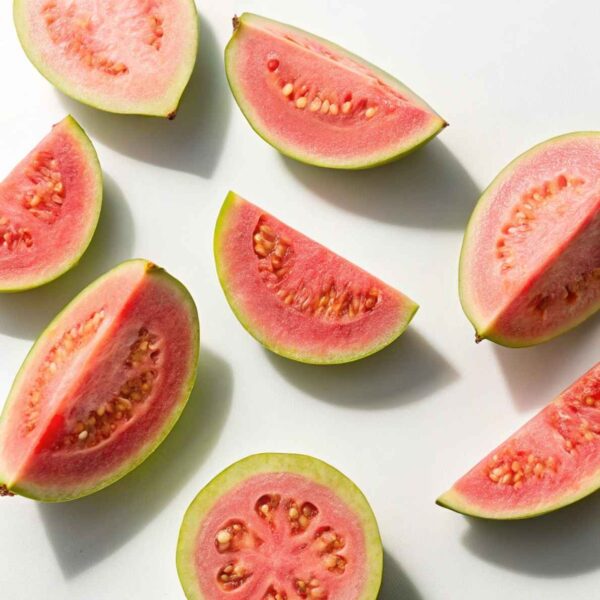
Morin is a little-known polyphenol with promising bone-protective properties. This dietary bioflavonoid compound offers both antioxidant and anti-inflammatory effects, according to laboratory and animal studies.
In this article, we’ll analyze recent scientific studies on morin, and you’ll learn more about this underappreciated polyphenol, how it may benefit your bones, and how you can incorporate it into your diet.
All About Morin
Morin, or in its water-bound form, morin hydrate, is a bioflavonoid polyphenol found in the fruits, stems, and leaves of plants in the Moraceae (mulberry), Rosaceae (rose), and Fagaceae (beech) families. These three families of flowering plants include as many as 7,000 species of trees, shrubs, and vines.
Morin is most abundant in a select subset of plants within each family and is best known as the pigment responsible for the yellow dye made from the Old Fustic tree. Sometimes called dyer’s mulberry, this tree in the Moraceae family is native to Central and South America, where its heartwood is used to produce a prized yellow dye for cotton, wool, and silk.
Morin is also found in the edible parts of some plants. As a dietary flavonoid, scientists have found that it exhibits free radical scavenging, antioxidant, anti-inflammatory, anticancer, antimicrobial, antidiabetic, and anti-arthritic effects as well as offering protection to the liver, kidneys, and heart. 1
Researchers have called morin a “therapeutically potent compound”1 that could “serve as a dietary agent for the expansion of human health,”1 even speculating that it could become the basis of a novel drug in the future. While more research is needed to determine the therapeutic potential of morin, especially in humans, current evidence demonstrates that dietary morin may already offer significant benefits.
Synopsis
Morin is a bioflavonoid found in the mulberry, rose, and beech families of plants. It is a yellow pigment, widely used as a dye for fabrics. As a dietary flavonoid, researchers have found that morin exhibits free radical scavenging, antioxidant, anti-inflammatory, anti-cancerous, anti-microbial, antidiabetic, and anti-arthritis effects, as well as offering protection to the liver, kidneys, and heart.
Morin’s Bone Health Benefits
Thanks to its molecular structure, morin has demonstrated a wide range of beneficial effects, which have been confirmed in animal and cell culture studies. These effects are generally divided into biological activities and molecular mechanisms.
Morin modulates various cellular signalling pathways while also scavenging free radicals, reducing oxidative damage, and decreasing inflammation.1
Eat Your Way to Stronger Bones
Enjoy 200+ delicious, bone-strengthening recipes designed to naturally support bone health—without spending hours in the kitchen. Bone Appétit makes eating for stronger bones simple, satisfying, and stress-free.

A study published in the journal Antioxidants in 2022 investigated the effect of morin on inflammatory bone loss in mice. Researchers divided the mice into four groups: a control group, a group that received morin, a group that received lipopolysaccharide, a compound used to induce inflammatory bone loss, and a group that received lipopolysaccharide and morin. They found that morin prevented bone loss, demonstrating its therapeutic potential against inflammatory bone loss.2
As part of the same study, the researchers conducted experiments with bone cell cultures and found that morin protected bone by decreasing the number and activity of bone-resorbing osteoclast cells.2
A second study analyzed how morin’s modulation of cellular signaling pathways affects bone remodeling. The study, published in the journal Phytotherapy Research in 2021, analyzed the effects of morin in cell cultures (in vitro) and in mice with ovariectomy-induced osteoporosis (in vivo).3
The in vitro experiment determined that morin reduced the number of osteoclasts by inhibiting cellular signalling pathways required for the formation of the bone-resorbing cells. In mice, the researchers also found that morin suppressed osteoclastogenesis via several signalling pathways. The study concluded that morin’s ability to prevent ovariectomy-induced osteoporosis suggests that it may be a potential therapeutic agent for postmenopausal osteoporosis treatment.3
Synopsis
Morin’s structure protects bone by altering cellular signalling pathways to reduce the formation and activity of bone-resorbing osteoclasts and through molecular interactions that prevent bone-damaging oxidation and inflammation. These studies suggest that morin may have potential as a future therapeutic agent for postmenopausal osteoporosis treatment.
How To Add Morin To Your Diet
The potential health and bone benefits of morin make it a desirable dietary compound. However, the benefits of morin have only been confirmed in cell cultures and animal studies– while these may well translate to benefits in humans, human trials have not yet been conducted.
Fortunately, the foods that contain significant amounts of morin, while few, are healthy foods with other important nutrients you need in your bone-building diet, so there’s no downside to adding them to your daily intake. Those foods include:
Smaller amounts of morin are found in:
- Red wine
- Seaweed
- Tea
- Coffee
- Cereal grains (such as wheat, rye, barley*, millet, rice, and oats*)
*Foundation Foods
While some of these items are probably already familiar to you, such as almonds, onions, apples, and figs, others like guava, sweet chestnuts, and jack fruit are not typical pantry staples in North America.
Jackfruit is an excellent source of potassium, Vitamin C, fiber, and plant protein. It’s common in South and East Asian cuisines, and while it doesn’t often appear in the regular produce aisle, it can often be found at Asian supermarkets or in the international aisle of larger grocery stores.
Sweet chestnuts are likely more familiar. They are great roasted with veggies, pureed into soups, added to baked goods or stuffings, crushed and used as a crunchy topping, or simply roasted and enjoyed as a snack.
Guava is a sweet, tropical fruit known for its distinctive aroma, edible seeds, and high vitamin C content. The skin of the fruit is edible, so you can bite right into a guava, or cut it up into slices to enjoy. The seeds are edible, but you can also remove them if you find them unpleasant to swallow. Guava makes an excellent addition to smoothies.
Synopsis
The benefits of morin have only been confirmed in cell cultures and animal studies; human trials have not yet been conducted. However, foods that contain morin also provide many other valuable nutrients, so you can confidently include them in your diet. See the list above for morin-rich foods.
What This Means To You
The next time you bite into an apple, dice up an onion, or enjoy jackfruit, sweet chestnuts, or guava, you’ll be adding another beneficial antioxidant compound to your bone-healthy diet.
If you’d like more ideas of how to expand your palate while strengthening your bones, try Bone Appétit, the Save Institute’s cookbook and meal planner. Bone Appétit contains more than 200 recipes designed to naturally boost bone health, balance your body, and make mealtime effortless. The recipes in Bone Appétit make cooking your own meals simple and enjoyable while ensuring you’re getting the nutrition your bones need to stay healthy and strong.
Keep expanding your horizons, learning about nutrition, and eating your way to healthier bones.
Delicious, Bone-Healthy Meals Made Simple
Support your bones with 200+ easy, flavorful recipes designed to naturally boost bone strength—without spending hours in the kitchen. Bone Appétit takes the guesswork out of eating for bone health, so you can enjoy every meal with confidence.

References
1 https://www.sciencedirect.com/science/article/pii/S0753332221002961





I love to drink a little red wine after dinner. Now I feel good about it! Thanks Vivian!
My pleasure, Claire!
Thank you Vivian! I eat at least one apple a day and I love almonds. I also make my own fig jam that I spread on toast.
You’re welcome, Kathy!
Fisetin is a substance that is also necessary, found in apples and strawberries. So have a big bowl of both of them so you’ll get both compounds,
Well said! Fistein is a bone-healthy polyphenol found in many foods we can easily get. To read more about it and get the list of 10 foods that contain it, you can click on this link:
https://saveourbones.com/fisetin-the-antioxidant-your-bones-cant-do-without/
Enjoy!