


Sardines are one of the most nutrient-dense foods for bone health. These small silver fish provide a unique combination of bone-supporting nutrients in a single whole food, including calcium, vitamin D, protein, Omega-3 fatty acids, and more.
In this article, you’ll learn why sardines are such powerful bone builders, and we’ll address concerns about heavy metals and other potentially toxic compounds. Sardines have unique qualities that reduce the risks associated with other fish– making them especially safe as well as incredibly nutritious and delicious.
All About Sardines
Sardine is the common name for various species of small oily fish in the herring suborder Clupeoidei. Sardines are sometimes called pilchards, especially when they are larger than 6 inches. Like many other small fish, they survive by eating zooplankton.
While the word sardine first appeared in English in the 15th century, there is a record of the fish in the writings of Aristotle in Ancient Greece. The fish have long been prized as seafood as well as a source of oil for industrial processes.
While their popularity and availability (due to overfishing) have waxed and waned over the years, sardines remain a staple found in most grocery stores, most often canned, though they can also be grilled, pickled, smoked, or fried.
Synopsis
Sardines, sometimes called pilchards, include a number of species of small oily fish in the herring family. They’ve been a food source for most of human history and are frequently sold as canned fish.
How Sardines Support Bone Health
Sardines are filled with bone-building nutrients. Just eleven of the vitamins, minerals, and nutrients in sardines make them an ideal food for strengthening your bones and supporting your health.
The figures in the list below describe the nutrient content of 100grams of sardines, which is roughly one serving– about the amount found in a standard can.
- Calcium* – A serving of sardines contains 382 mg of calcium, a significant percentage of the recommended daily intake. Sardines outpace many other fish in calcium content, which makes them a bone-health winner.
- Vitamin D* – At 193 IU, a serving of sardines contains more than twice the Vitamin D found in a serving of eggs. Vitamin D is essential for calcium absorption, and it plays a major role in the bone remodeling process.
- Protein – Protein is essential for building muscle, which you need both to build bone and to avoid falls. One hundred grams of sardines pack in 25g of complete protein.
- Vitamin B12* – Sardines are an excellent source of vitamin B12, with a 100g serving containing 8.9µg, or a staggering 373% of the standard recommended daily value. Vitamin B12 is essential for healthy metabolism throughout the body and supports l critical processes involved in bone health.
- Magnesium* – Magnesium is often overlooked, but it’s a Foundation Supplement that contributes directly to bone density and helps the body regulate calcium and activate Vitamin D. A serving of sardines offers 39 mg of magnesium.
- Potassium – Potassium is an alkalizing mineral that supports healthy bone mineral density and helps maintain acid-base balance. A serving of sardines contains 397mg of potassium– which is excellent, though not enough to make sardines an alkalizing food.
- Iron – A serving of sardines offers 2.9 mg of iron,. It helps produce collagen, the flexible building block that gives bone its durability.
- Zinc* – Zinc supports the proliferation and activity of bone-building osteoblasts and plays a role in bone mineralization. Sardines provide 1.3 mg per 100 g.
- Omega-3 fatty acids – Sardines are an excellent source of Omega-3 EPA and DHA fatty acids, which help the body to absorb calcium more efficiently and protect bones by reducing inflammation.
- Selenium – Sardines are an extraordinary source of the mineral selenium, providing 53µg per 100g. Selenium is a little-known bone protector, preventing oxidative damage and helping to regulate healthy bone turnover.
- Copper* – Copper supports bone health through multiple mechanisms. It is a component of the “master antioxidant” superoxide dismutase that protects bone from oxidative damage; it helps regulate the bone remodeling process in favor of bone formation; and it plays a role in the collagen cross-linking that gives bones flexibility. In 100g of sardines, you’ll get 0.19mg of copper.
*Foundation Supplements
Eat Your Way to Stronger Bones
Enjoy 200+ delicious, bone-strengthening recipes designed to naturally support bone health—without spending hours in the kitchen. Bone Appétit makes eating for stronger bones simple, satisfying, and stress-free.

Studies have confirmed that nutrition and diet are important tools for ameliorating osteoporosis and maintaining bone health.1 Sardines are an excellent way to help make your diet an effective tool for preventing and reversing osteoporosis.
Synopsis
Sardines are an excellent source of eleven vitamins, minerals, and nutrients that make them a powerful bone-building food: calcium, Vitamin D, protein, Vitamin B12, magnesium, potassium, iron, zinc, Omega-3s, selenium, and copper– several of which are Foundation Supplements.
Sardines Are Low-Risk For Toxins And Heavy Metals
You should consider the risk of accumulated heavy metals, like mercury, when choosing seafood. As small fish are eaten by larger fish, which are eaten by larger fish, and so on, some heavy metals accumulate, with the largest predator fish containing the highest levels.
That makes small fish like sardines an excellent way to get all of the nutritional benefits of seafood without the heavy metals that can turn up in giant sea predators like swordfish or shark.
Sardines are not a concerning source of heavy metals the way some larger fish can be. Studies have confirmed that sardines do not present a risk to human health from the presence of heavy metals such as lead, cadmium, and mercury.2
You may also have heard about “fish arsenic.” This term refers to arsenobetaine, also called organic arsenic. This is a different compound than inorganic arsenic, which is familiar to many as a toxic compound that can be deadly in high doses. Arsenobetaine is a different compound that passes quickly through the body and is generally considered to be of low toxicological concern, with no biological or toxic effects on mammals.3
Synopsis
Avoid toxic heavy metals that can accumulate in large predatory fish by eating small fish like sardines. You don’t need to worry about “fish arsenic”– that’s a common name for arsenobetaine, a form of organic arsenic– a different compound that is quickly processed through the digestive tracts of mammals without toxic effects.
How To Eat Sardines
Sardines can be prepared in many of the same ways as other fish; if you’re able to find fresh raw sardines, they are excellent grilled, baked, or even fried. However, they are most frequently purchased canned, which makes them incredibly convenient. While canned sardines are ready to eat, they’re also ready to be added to a variety of recipes.
Sardines, like all animal products, are acidifying, but that doesn’t mean they don’t have an important role to play in your bone-building, pH-balanced diet. You’ll notice that both of the recipes below pair sardines with alkalizing ingredients (including the only alkalizing bean- lima beans) to balance their acidifying effect while providing their many bone-health benefits.
If you’ve ever wondered how to combine acidifying and alkalizing foods in the right proportions, you don’t have to figure it out at every meal. Bone Appétit‘s recipes are created around Save Our Bones’ recommended 80/20 balance, so you can simply choose a dish and follow the recipe. Short on time? Its Quick Picks include recipes you can prepare in 20 minutes or less. Make bone-healthy meal preparation easier with Bone Appétit.
Next time you go to the grocery store, pick up a couple of cans to add to your pantry, and then try out these delicious recipes.
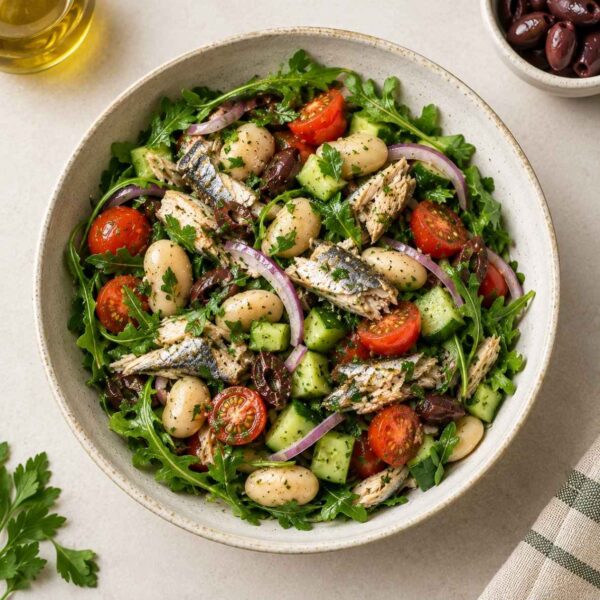
Mediterranean Sardine & White Bean Salad
2 Servings
pH-Balanced
Ingredients
- 1 (3.75 oz) can sardines in extra-virgin olive oil, drained and gently flaked
- 1 cup cooked lima beans, rinsed and drained
- 1 cup cherry tomatoes, halved
- ½ cucumber, diced
- 1 cup arugula
- ¼ small red onion, thinly sliced
- 2 tablespoons chopped fresh parsley
- 2 tablespoons pitted Kalamata olives, sliced (optional)
Directions
- Mix all ingredients except sardines and arugula in a large bowl.
- Fold in the sardines last, keeping some larger pieces intact for texture.
- Let the salad sit for 10 minutes so the flavors meld.
- Drizzle with your favorite dressing and serve on a bed of arugula.
- Top with diced avocado, walnuts, or pumpkin seeds.
Stuffed Sweet Potato with Sardines
2 Servings
pH-Balanced
Ingredients
- 2 medium sweet potatoes
- 1 (3.75 oz / 106 g) can sardines packed in extra-virgin olive oil, drained and gently flaked
- ¼ cup cooked lima beans, lightly mashed
- 2 tablespoons plain Greek yogurt
- 1 teaspoon Dijon mustard
- 1 tablespoon fresh lemon juice
- 1 teaspoon lemon zest
- 1 tablespoon chopped fresh parsley
- 1 tablespoon chopped chives or green onions
- Freshly ground black pepper, to taste
Directions
- Preheat the oven to 400°F.
- Pierce the sweet potatoes several times with a fork and bake for 45–60 minutes, until tender.
- While they’re baking, combine the mashed beans, Greek yogurt, Dijon mustard, lemon juice, lemon zest, parsley, chives, and black pepper in a bowl.
- Gently fold in the sardines, leaving some pieces slightly chunky.
- When the sweet potatoes are ready, slice each one lengthwise and fluff the flesh with a fork.
- Spoon the sardine mixture into each potato.
- Top with tomatoes, avocado, or pecans if desired.
What This Means To You
A small can of sardines can bring an impressive variety of bone-supporting nutrients to your table. Try one of the recipes above this week, and you’ll have a delicious new way to put that knowledge to work.
Of course, sardines are just one of many foods that can help nourish your bones. Having a variety of enjoyable recipes makes it easier to include those foods in your everyday meals.
That’s why I created Bone Appétit: to help you answer the familiar question, “What can I make that’s good for my bones and that I’ll actually enjoy?”
With more than 200 recipes, from breakfasts to desserts, plus a 30-Day Meal Planner, you’ll have plenty of ideas for your next meal—and the ones after that.
You’ll receive instant digital access, so you can start exploring the recipes today. And with a 60-day money-back guarantee, you have time to try them in your own kitchen.
Get Bone Appétit here and make bone-healthy eating an easier, more delicious part of your day.
Delicious, Bone-Healthy Meals Made Simple
Support your bones with 200+ easy, flavorful recipes designed to naturally boost bone strength—without spending hours in the kitchen. Bone Appétit takes the guesswork out of eating for bone health, so you can enjoy every meal with confidence.

References
1 https://pmc.ncbi.nlm.nih.gov/articles/PMC7600848/?utm_source=chatgpt.com
2 https://www.sciencedirect.com/science/article/abs/pii/S0889157522001089?utm_source=chatgpt.com





Can’t wait to try the recipes! Thank you Vivian!
You’re welcome, Kathy!
Can the sardines be skinless and still be healthy?
Yes, skinless sardines still provide plenty of protein, Omega-3 fatty acids, and other beneficial nutrients. For the most calcium, choose sardines with the edible bones intact. Enjoy!
Should sardines be avoided for a person on a low or no-salt diet?
I grew up on sardines; but we always ate them raw, not cooked.
Not necessarily. Look for sardines labeled “no salt added” and check the sodium content on the label. If you’re on a strict sodium-restricted diet, be sure they fit within your recommended daily limit. And what a lovely childhood memory! Sardines can be enjoyed in many ways. Just remember that raw sardines need to be properly handled and prepared to minimize the risk of parasites and foodborne illness.
Thank you , Ita.
You’re very welcome, Ita!
Only sardines? And anchovies and mackerel???
Absolutely! Anchovies and mackerel are nutritious choices, too. We’ve also written about other fish, including salmon. Here’s an article you might enjoy:
https://saveourbones.com/salmon-the-surprising-bone-health-superfood/