


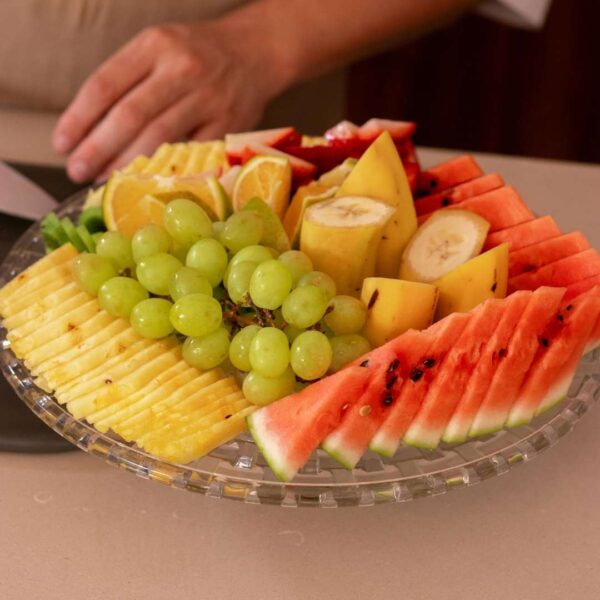
The Environmental Working Group has released its yearly list of conventionally grown fruits and vegetables contaminated with the most toxic chemicals: The Dirty Dozen.
In September of last year, the organization announced a refined ranking methodology that eliminates redundancy in its assessment metrics. This year, they’re increasing their focus on PFAS, the “forever chemicals” found in pesticides as well as water, soil, and plastic packaging.
In this article, we will review the new list of conventional produce you should avoid, as well as those that are safest to eat (The Clean Fifteen). You’ll learn how the improved ranking methodology has tightened the EWG’s analysis of crop contamination and how best to avoid toxic forever chemicals.
The Environmental Working Group’s Shopper’s Guide
The Environmental Working Group (EWG) ranks popular fresh fruits and vegetables every year based on levels of pesticide contamination and toxicity. Since 2004, they have released this list as the EWG’s Shopper’s Guide to Pesticides in Produce.
To create the ranking, EWG analyzes pesticide residue data for tens of thousands of samples collected by the Department of Agriculture (USDA) as part of the Pesticide Data Program. EWG incorporates pesticide toxicity data published in peer-reviewed journals and by government agencies.
This year, the USDA analyzed residue data from 54,344 samples across 47 fruits and vegetables. They detected 264 pesticides and breakdown products that remained on samples even after standard washing.1
Previously, EWG applied six equally weighted metrics of pesticide contamination to rank fruits and vegetables. This year, EWG experts reviewed the methodology to determine which metrics are most relevant to human health and best reflect how consumers are exposed to pesticides.
Their analysis revealed that several of the original metrics were highly correlated, creating redundancy in the methodology. This allowed them to reduce the six metrics to four updated ones. Three of the previous metrics remain unchanged, while a revised fourth metric accounts for overall pesticide toxicity.
The metrics assess the following:
- Abundance: Percent of samples tested with at least one pesticide detected.
- Diversity: Average number of individual pesticides detected on a single sample.
- Intensity: Average total concentration of pesticides found on a single sample.
- Toxicity: The overall toxicity of pesticides on a crop.
Synopsis
Eat Your Way to Stronger Bones
Enjoy 200+ delicious, bone-strengthening recipes designed to naturally support bone health—without spending hours in the kitchen. Bone Appétit makes eating for stronger bones simple, satisfying, and stress-free.

EWG ranks the pesticide contamination in popular produce items each year using data gathered by the USDA and studies published in peer-reviewed journals and by government agencies. EWG has made its analytic metrics more efficient by reducing redundancy. There are now four metrics, each representing a unique measure of pesticide contamination: abundance, diversity, intensity, and toxicity.
Forever Chemicals In Your Food
In this year’s analysis, a fungicide called fludioxonil was the most frequently detected pesticide across all sampled fruits and vegetables. Fludioxonil is a PFAS, a forever chemical linked to potential health problems. Of the 10 most frequently detected pesticides in this year’s data, three meet the internationally recognized definition of PFAS.1
Fludioxonil residue was found on 14% of all produce samples, and on nearly 90% of peaches and plums.1
PFAS have the nickname forever chemicals because they don’t degrade as quickly as some other pesticides. Certain PFAS, such as trifluoroacetic acid (TFA), are increasingly found in water, soil, and the human body. Emerging research suggests that TFA may also accumulate in crops.1
While many measurements of these chemicals fall below the safety thresholds set by regulators, those thresholds typically assess the risk of each pesticide in isolation. In practice, however, consumers are exposed to mixtures of multiple crop chemicals simultaneously. EWG cites animal studies indicating that combined exposures can be more harmful than individual chemicals alone.1
One of the principal dangers of pesticide exposure is hormone disruption. Hormones play a crucial role in bone remodeling, acting as signalling mechanisms that regulate bone synthesis. Pesticides may also affect the nervous system, impair reproductive health, and diminish the cardiovascular benefits associated with a healthy diet.
Of course, all pesticides are acidifying, reducing the alkalizing effect of the fruits and vegetables they contaminate and putting bone health at risk.
Synopsis
Forever chemicals (PFAS) are chemicals that resist breaking down, allowing them to accumulate in soil, water, and even in the human body. They cause health problems and impede healthy bone remodeling. Three of the ten most frequently detected pesticides were PFAS.
The Dirty Dozen & The Clean Fifteen
The Dirty Dozen includes the twelve fruits and vegetables that pose the highest risk of toxic pesticide contamination. At the grocery store, choose organically grown versions of these items whenever possible.
Here are the Dirty Dozen.2 This list counts down to the worst offender among conventionally grown produce:
- 12. Blueberries*
- 11. Potatoes
- 10. Pears*
- 9. Blackberries*
- 8. Apples*
- 7. Cherries*
- 6. Peaches*
- 5. Nectarines
- 4. Grapes*
- 3. Strawberries*
- 2. Kale*, Collard Greens*, and Mustard Greens*
- 1. Spinach*
*Denotes Foundation Food
The Clean Fifteen are the conventionally grown foods that contain the smallest amounts of residual chemicals. If organic foods aren’t available, choose produce from this list for your next bone-building meal. This list starts with the safest and cleanest item, and counts up the fifteen best options for reducing your chemical intake.2
- 1. Pineapples*
- 2. Sweet Corn (fresh and frozen)
- 3. Avocado*
- 4. Papaya*
- 5. Onion*
- 6. Sweet Peas* (frozen)
- 7. Asparagus*
- 8. Cabbage*
- 9. Cauliflower*
- 10. Watermelon*
- 11. Mangoes
- 12. Bananas*
- 13. Carrots*
- 14. Mushrooms*
- 15. Kiwi*
*Denotes Foundation Food
What This Means To You
The Environmental Working Group has compiled its most analytical list to date. Their focus on PFAS, or forever chemicals, will hopefully help more producers and consumers recognize the dangers of pesticide exposure.
Your diet is foundational to your health and your bone strength. That’s why the Save Institute created Bone Appétit. Bone Appétit is your go-to guide for bone-building meals that feature a colorful variety of whole foods. You’ll find the recipes easy to follow and even easier to enjoy. Plus, Bone Appétit includes a meal planner that takes all of the guesswork out of constructing a diet that bolsters your bone strength.
Fruits and vegetables are essential for your health and your bones– but pesticides undermine your efforts. Choose organic foods and keep crafting delicious, nutritious meals.
Delicious, Bone-Healthy Meals Made Simple
Support your bones with 200+ easy, flavorful recipes designed to naturally boost bone strength—without spending hours in the kitchen. Bone Appétit takes the guesswork out of eating for bone health, so you can enjoy every meal with confidence.







I am returning to saveourbones after a long absence. I still have the book and
cookbook. I had my leg xrayed after a fall on my knees. After a poor DEXA score the comment with the xray was mild osteopenia. I call that a winner.
I just found this website so I am still learing alot about it. I want to work on reversing my bone loss so as not to take any medications that they are recommending! Any help I can get.
How can I wash fruits and vegetables to rid them of pesticides?
Rinsing fruits and vegetables with vinegar or a baking soda solution can help lower pesticide residues on the surface, particularly for produce you eat with the skin.
That said, washing can’t eliminate chemicals that have been absorbed into the plant’s internal tissues through the soil. It mainly addresses what’s on the outside, not what’s inside.
To minimize exposure as much as possible, it’s best to wash produce well and to prioritize organic choices preferably for all foods, but at least for the ones known to carry higher pesticide levels.
How do legumes fit in? Bone healthy? Clean?
Norma, legumes are actually very nutritious and can support bone health thanks to their minerals, plant protein, and fiber. Most of them are acidifying, so it’s best to balance them with plenty of alkalizing foods like vegetables. And when it comes to “clean,” I always recommend choosing organic whenever possible, since conventional legumes are often sprayed with glyphosate and other pesticides.
What’s a foundation food mean?
Shari, the Foundation Foods are rich in key nutrients that support bone remodeling, helping you strengthen and rebuild your bones. They are all listed in the Osteoporosis Reversal Program.